Stair nosings are a subtle but essential architectural detail that directly contributes to the safety and accessibility of staircases across commercial and public spaces. Despite their importance, they are often overlooked or specified too late in the design process, resulting in limited product options and compliance issues further down the line.
According to Safe Work Australia Key WHS Statistics 2025, slips, trips, and falls continue to be one of the leading causes of workplace injury in Australia, contributing to around 32,000 serious workplace injury claims in 2023-24, with median compensation payments exceeding $14,000 per claim. These figures highlight just how crucial it is to prioritise compliant stair nosing specifications from the earliest stages of architectural design.
Beyond the risks of preventable incidents and legal implications, incomplete stair detailing can also lead to RFIs from suppliers, site variations, and costly rework, resulting in project delays and budget pressures.
This guide explores how to properly specify stair nosings in architectural drawings and what to consider when selecting a supplier to ensure compliance and cohesion from design through installation.
Before You Start Detailing: Understanding Stair Nosing Requirements
The Role of Stair Nosings in Architectural Design
From a safety perspective, stair nosings provide a slip-resistant surface on the front edge of each step, improving traction and grip to reduce the risk of slips and falls. They also play an important role in accessibility by defining step edges more clearly, improving visual contrast and supporting safer navigation for people with low vision.
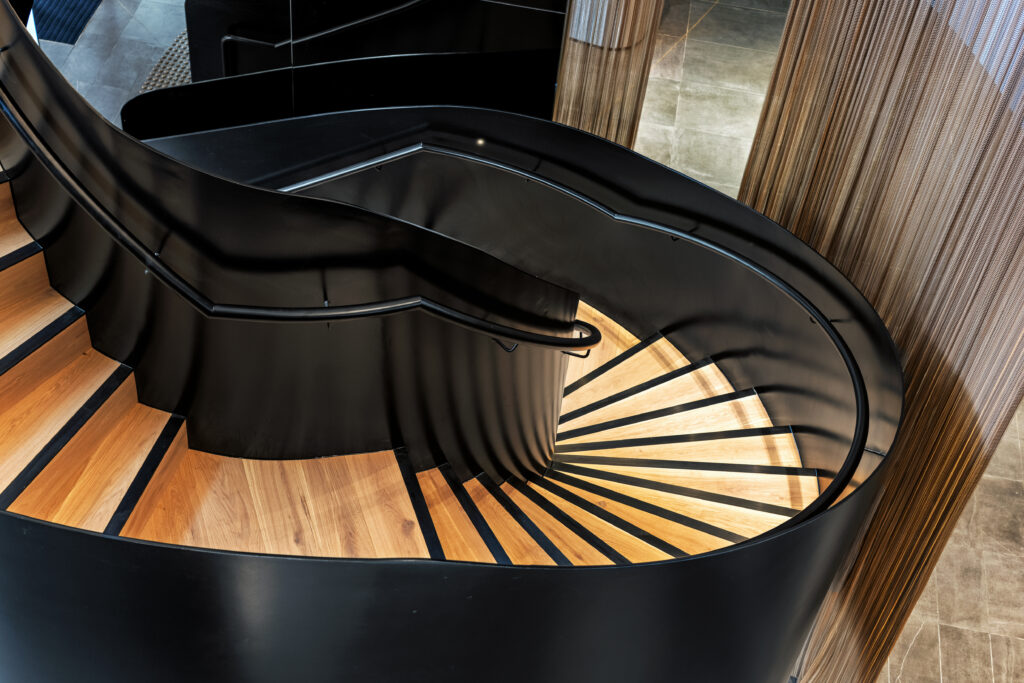
In addition to safety and accessibility, stair nosings help protect stair edges from repeated impacts and wear, ensuring long-term performance and durability in high-traffic environments.
Available in a wide array of materials and profiles to suit different applications, stair nosings can also be designed to stand out or integrate seamlessly with surrounding floor finishes, enhancing the overall architectural outcome.
Key Compliance Considerations
Given their crucial role in the safety and accessibility of staircases, numerous compliance standards and building regulations apply to stair nosings.
Applying to all commercial and residential apartment developments, relevant codes and standards for stair nosing compliance include but are not limited to:
- National Construction Code (NCC)
- Building Code of Australia (BCA)
- Australian Standards AS 1428.1, AS4586:2013, and AS1657:2018
- Disability Discrimination Act (DDA)
Please refer to our Stair Nosing Compliance Guide for the latest information.
Why Compliance Should Influence Specification Decisions
When compliance is considered at every stage of design and specification, it becomes a priority rather than a constraint, supporting safer, more inclusive architectural outcomes.
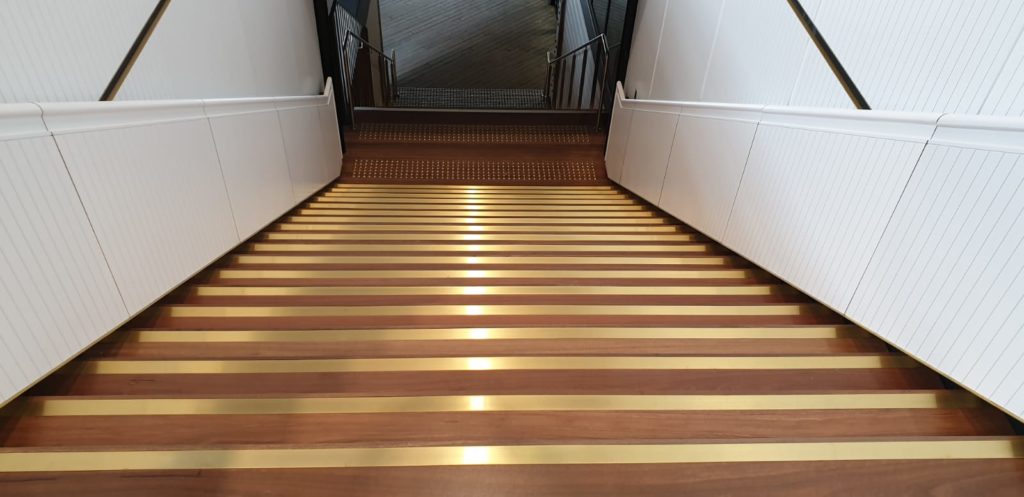
Key areas where specification decisions should prioritise compliance:
- Product selection
- Detail design
- Material choices
- Installation methods
For more information on the relevant codes and standards, and a detailed breakdown of fundamental compliance requirements, download our Stair Nosing Compliance Guide.
What Information Should Be Included in a Stair Nosing Specification?
Stair Nosing Profile
Different profile types are available to ensure optimal functionality and aesthetic integration with surrounding finishes.
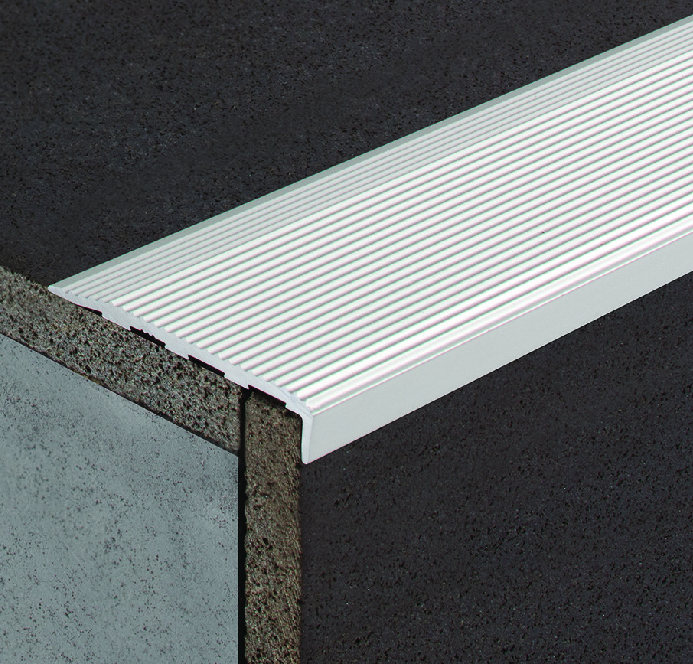
Surface-mounted profiles
Designed for both retrofitting and new builds, surface-mount stair nosings are installed directly onto stair edges using mechanical fixings and/or adhesives, depending on the material.
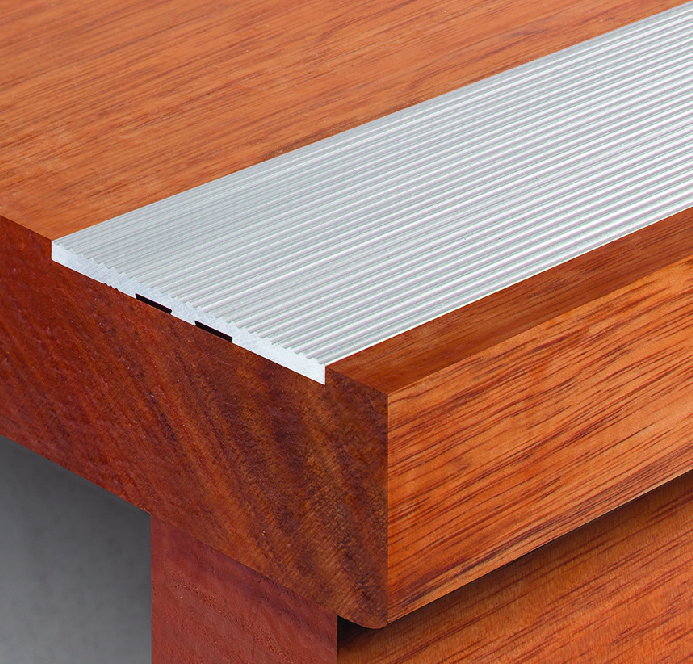
Rebated profiles
Suitable for timber and tile applications, rebated stair nosings sit flush with the stair surface, creating a sleek, integrated look.
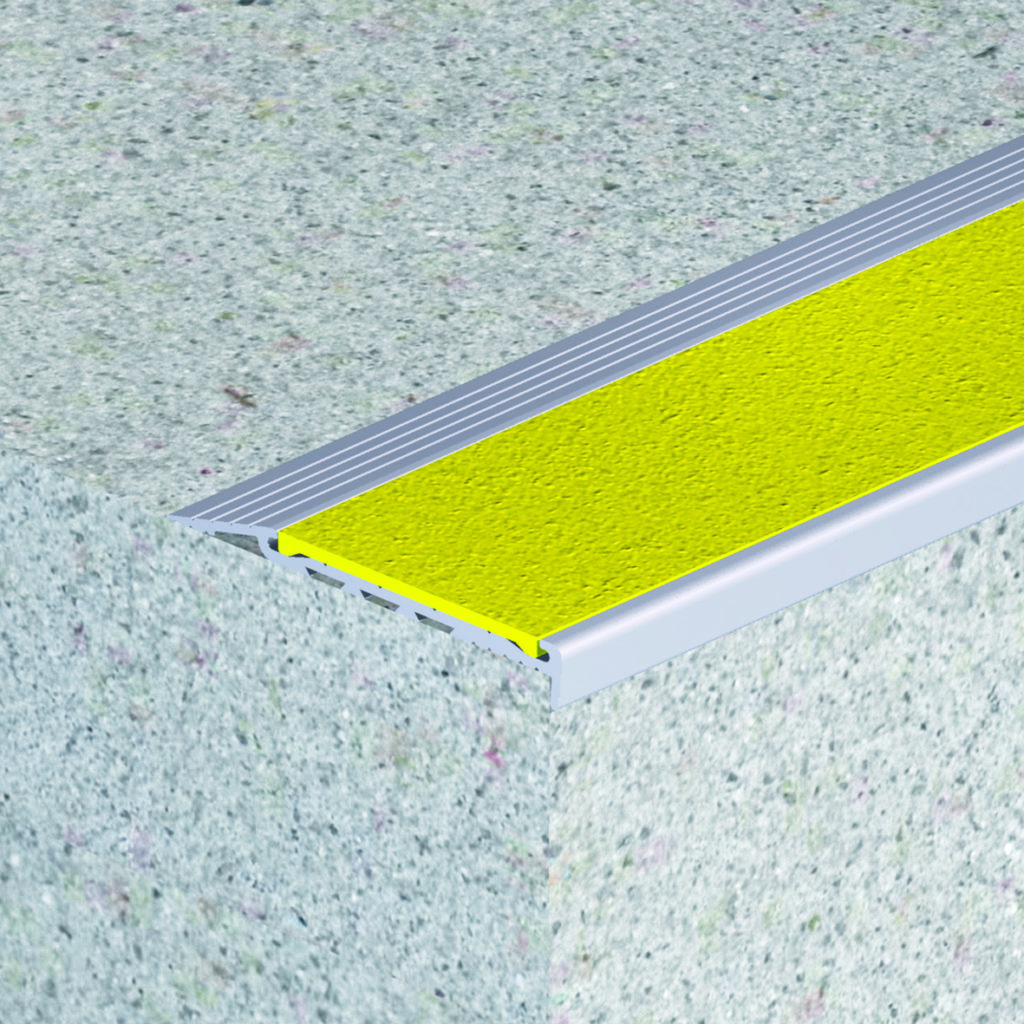
Ramped profiles
Feature a ramped back to transition smoothly between floor finishes, often used where stair nosing specification must accommodate enhanced accessibility and wheeled traffic requirements.
Selecting the correct profile facilitates compliance, durability, and a seamless architectural finish.
Material Selection
For architectural stair nosing, material choice often depends on the application, influencing aesthetics, maintenance requirements, and long-term performance.
- Aluminium stair nosings – Lightweight, durable, low-maintenance, and weather-resistant, aluminium stair treads are a practical choice for both commercial and industrial applications.
- Brass stair nosings – Balancing premium durability and safety, solid brass stair nosings offer a luxurious, timeless aesthetic that ages gracefully.
- Stainless steel stair nosings – High strength and corrosion resistance, suitable for high-traffic and outdoor environments.
- Fibreglass stair nosings – Designed for high-pressure, high-traffic industrial environments, offering maximum resistance to corrosion, chemicals, and extreme weather conditions.
- PVC and insert options – Cost-effective and versatile, available in a range of colours for optimum contrast and slip resistance.
- Anti-slip tapes – Designed to deliver maximum traction while being cost-effective, ideal for interior and exterior use across stair nosings, ramps, and hard-to-treat surfaces.
Compliance Requirements
Commercial stair nosing specifications must comply with all requirements outlined in the Australian Standards and relevant building codes.
- Slip resistance – Designed to reduce the risk of slips and falls, stair nosings must meet or exceed the required slip-resistance rating for the intended surface and application.
- Luminance contrast – The minimum reflective and visible contrast measurement between the stair nosing and the surrounding surfaces to ensure safety and accessibility.
- Fire rating (CHF & smoke performance) – In addition to the compliance guidelines set by Australian Standards, building materials, including stair nosings, must pass fire resistance tests per the testing standards outlined in the BCA.
Learn more about Australian standards for stair nosings.
Luminance Contrast Requirements
As per Australian Standard AS1428.1:2021, all stair nosing specifications must meet luminance contrast requirements.
- Supports safer navigation in public and commercial buildings
- Provides optimum visibility and contrast for people with vision impairments
- Assists in clearly defining step edges under varying lighting and weather conditions
Proper specification enables compliant, accessible design while improving overall user safety.
Installation & Fixing Methods
Adhering to the correct installation methods is essential for maximising long-term durability and compliance.
- Surface mount – Installed directly onto stair edges using mechanical fixings and/or adhesive, depending on the stair material.
- Rebated for carpet, vinyl, or rubber – Integrated into surrounding floor finishes for a flush, seamless transition.
- Rebated for timber or tiles – The nosing is placed into the rebate and secured using construction-grade adhesive, screws, or both.
- Self-adhesive (tapes) – Best suited for uneven surfaces or access ramps, self-adhesive anti-slip tapes can be easily installed by pressing the tape firmly onto the stair nosing.
Selecting the correct fixing method ensures the stair nosing performs as intended and remains securely installed over time.
How to Show Stair Nosings in Architectural Drawings
Stair Nosing Plan Details
Stair nosing plan details should be well documented to maintain consistent interpretation across all project stages and trades involved.
Key elements to include:
- Stair nosing locations clearly marked
- Material call-outs aligned with finish schedule
- Coordination notes for adjacent floor finishes
- Reference tags linking to stair nosing drawings and specifications
Stair Nosing Section Details
Section drawings provide important technical information to clearly define stair nosing materials, dimensions, profiles, and installation methods to meet compliance requirements.
Key elements to include:
- Tread and riser dimensions
- Riser design and constraints
- Stair nosing placement
- Materials and installation details
- Specific slip resistance, luminance contrast, and fire resistance requirements
An Example of a Stair Nosing Specification
Product: Classic Tredfx DKR104 Aluminium Stair Nosing with Grit Insert for Surface Mount Applications
Aluminium Profile Colour: Black, Natural, Bronze, Saffron or Gold
Grit Insert Colour Options: Black, Yellow, Light Grey, Luminescent
Dimensions: Length 5850mm
Application: Surface Mount (suitable for concrete, timber, tiles, masonry & metal substrates), to be installed in
accordance with the manufacturer’s instructions.
Warranty: Product lifetime
CHF: Critical Radiant Flux: ≥11 kW/m2
Smoke: Smoke Development Rate: 8 %/min.
Slip: P5
LRV Ratings: Black – Dry 4.8, Wet 2.3, Yellow – Dry 51.0, Wet 48.3, Light Grey – Dry 55.3, Wet 52.0, Luminescent – Dry 39.3, Wet 38.0
Compliance: Complies with current AS 1428 standards
Supplier: Classic Architectural Group | Phone: 1300 244 377 | Fax: 1300 768 876 | Email: [email protected] | Website: https://classic-arch.com/
Download the DKR104 example specification guide.
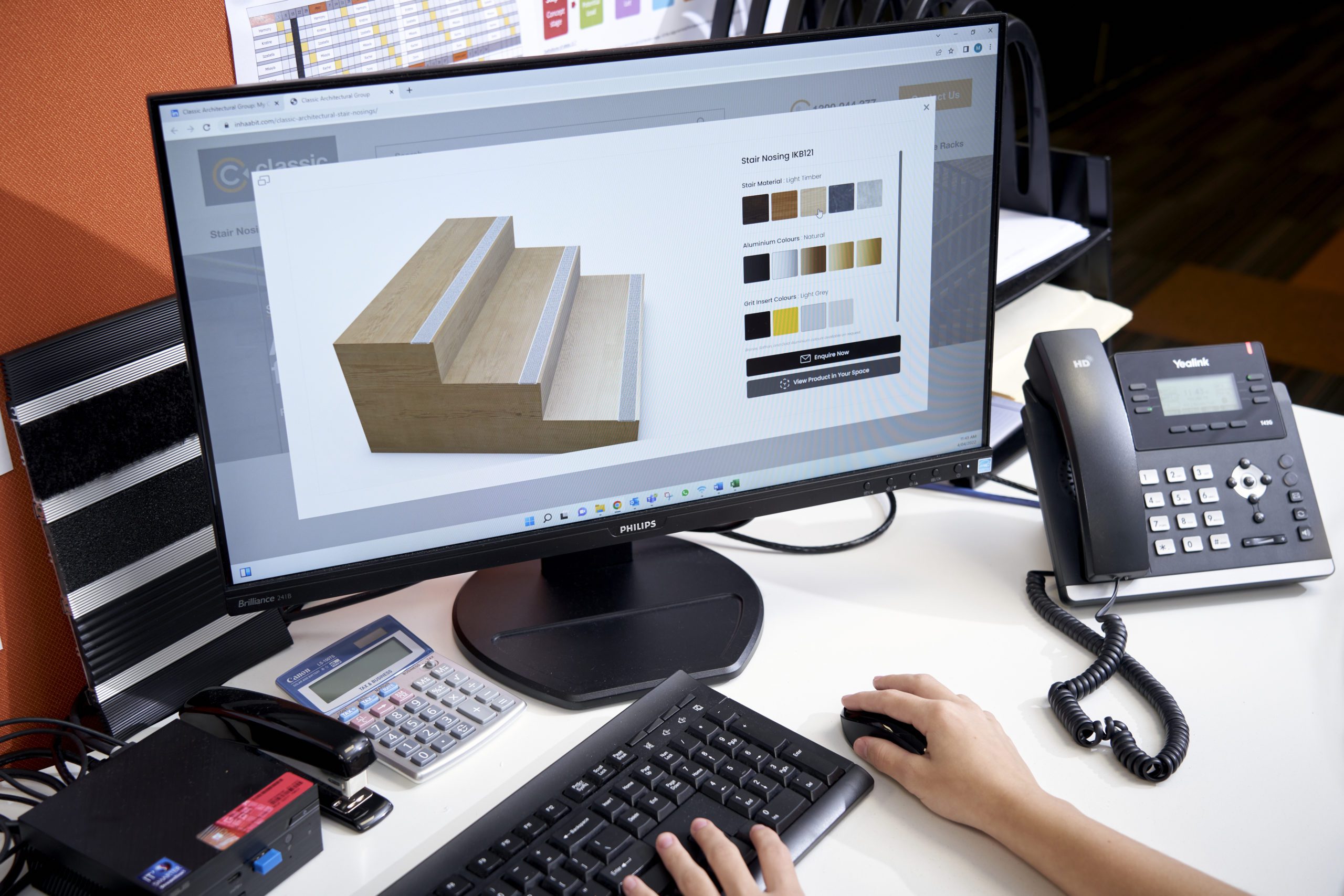
Product Selection Made Easy with 3D ‘Visualise It’
Use our helpful ‘Visualise It’ online tool to preview your selected stair nosing combination in interactive 3D and see how it will look within your actual space before specification.
Once you’re happy with your configuration, simply save and share, or enquire for a quote.
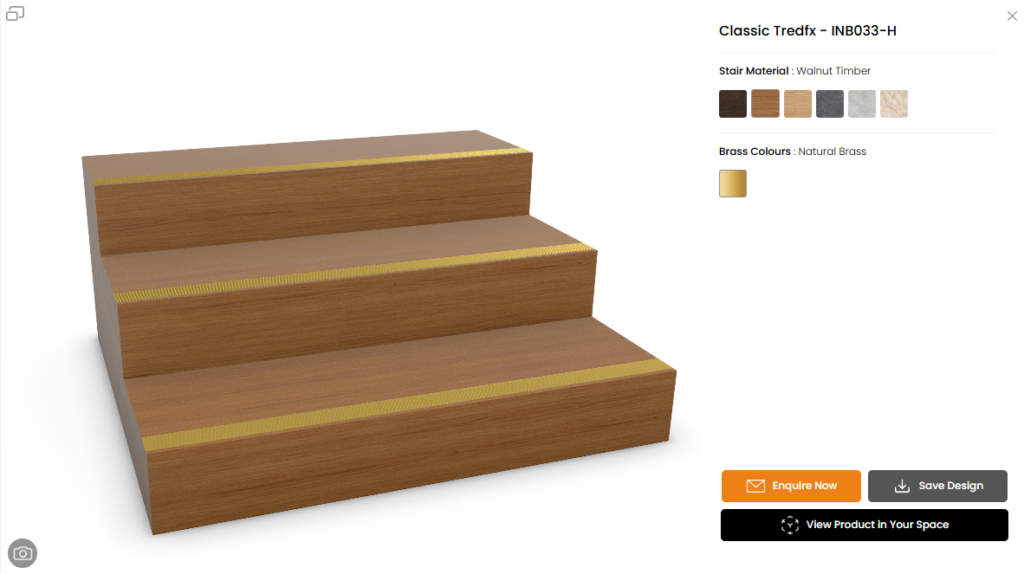
You can also find product Specification Guides available directly on our website product pages to help support accurate stair nosing documentation.
Using Stair Nosing CAD Drawings in Project Documentation
Why Manufacturer CAD or REVIT files Improve Accuracy
Using manufacturer-provided CAD or REVIT files for stair nosings can significantly improve the accuracy and efficiency of project documentation. Instead of relying on generic details, you can work with precise, product-specific information that reflects real-world dimensions and installation requirements, minimising the risk of misinterpretation.
Aside from improving accuracy, other important benefits include:
- Reduced detailing time and streamlined documentation so you can focus more on design intent and coordination
- Improved design and installation coordination across the project, ensuring seamless integration and compliance
- Reduced construction queries and objections, helping keep projects on track
Overall, using stair nosing CAD or REVIT files from a trusted manufacturer helps bridge the gap between architectural intent and construction reality, ensuring better outcomes for both stakeholders and end users.
Stair Nosing CAD & REVIT Files Available from Classic Architectural Group
Offering a wide range of stocked and custom stair nosing solutions, we’re here to help you simplify the stair nosing selection and specification process.
To streamline project documentation, a comprehensive suite of technical resources is available across our product range, including:
- CAD & REVIT files
- Technical drawings
- Product data sheets
- Compliance and test reports
- Installation guides
- Care and maintenance information
If you can’t find the information you need, our team is available to provide additional technical guidance and tailored support.
Architecturally Designed Stair Nosing CAD or REVIT Examples & Specification Guides
Surface-Mounted Stair Nosings
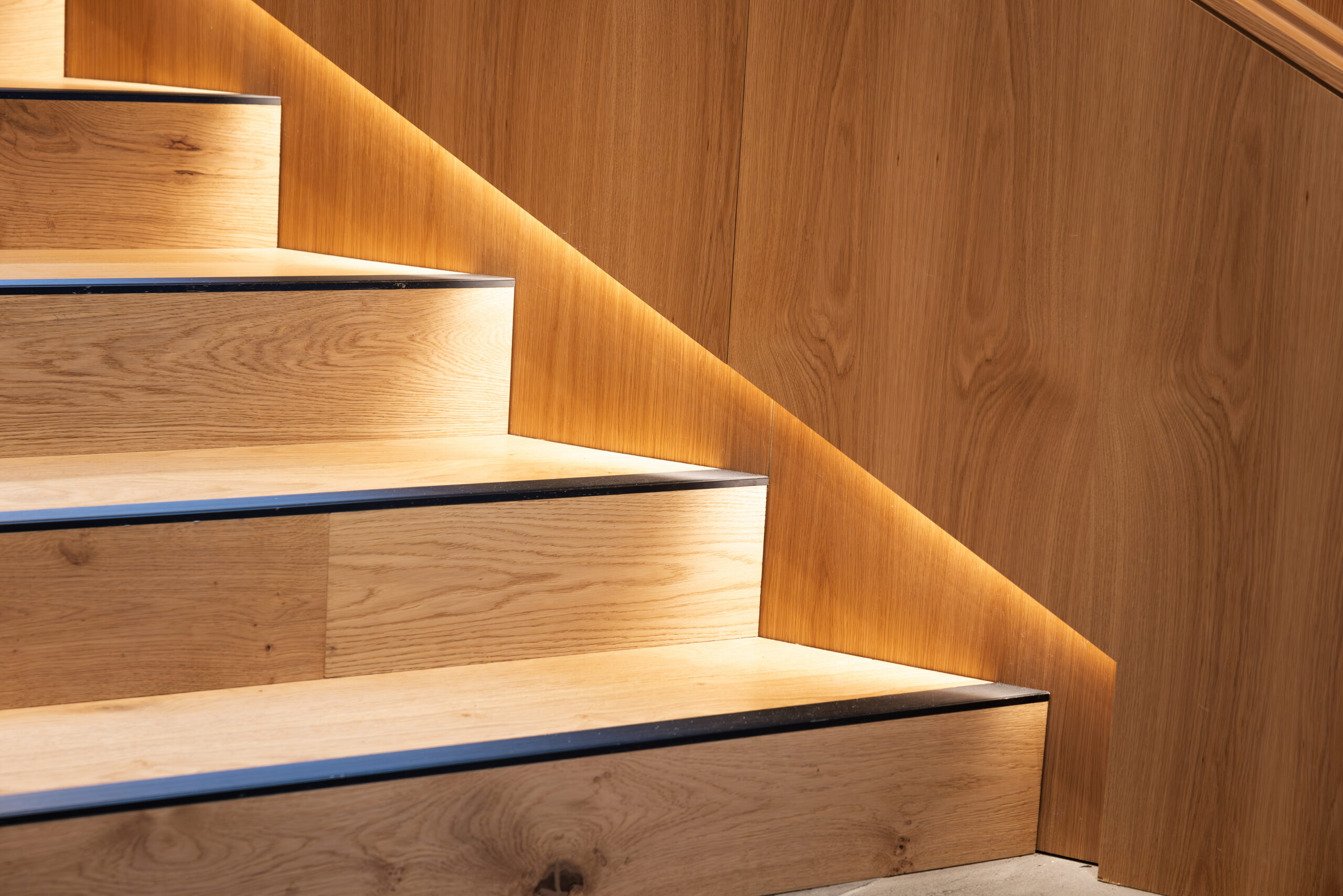
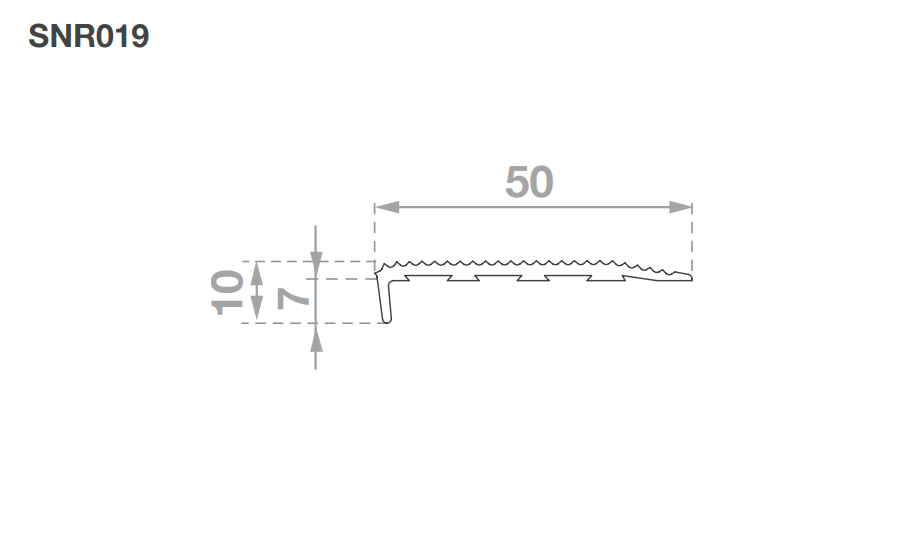
Project: Officeworks Head Office Chadstone Place featuring Classic Tredfx SNR019 Aluminium Stair Nosing
📥 Download the specification guide for Classic Tredfx SNR019.
Rebated Stair Nosings

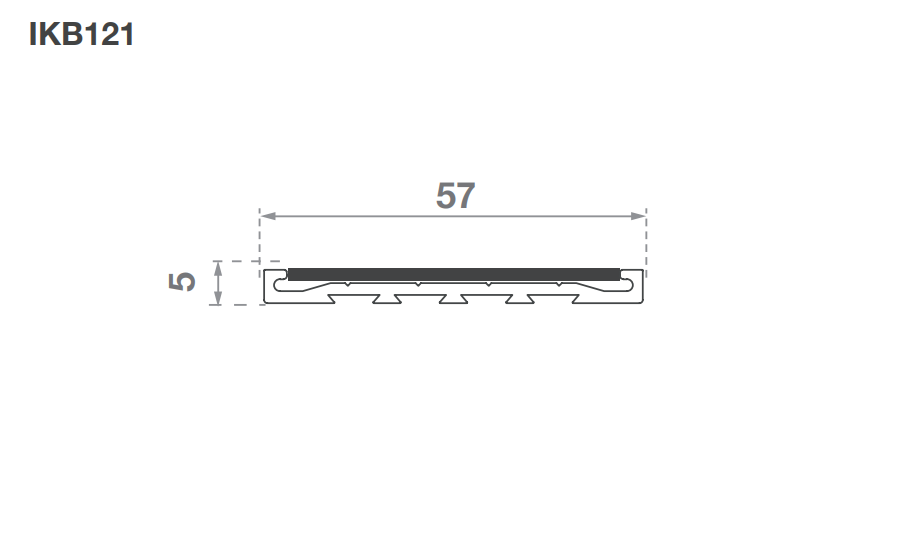
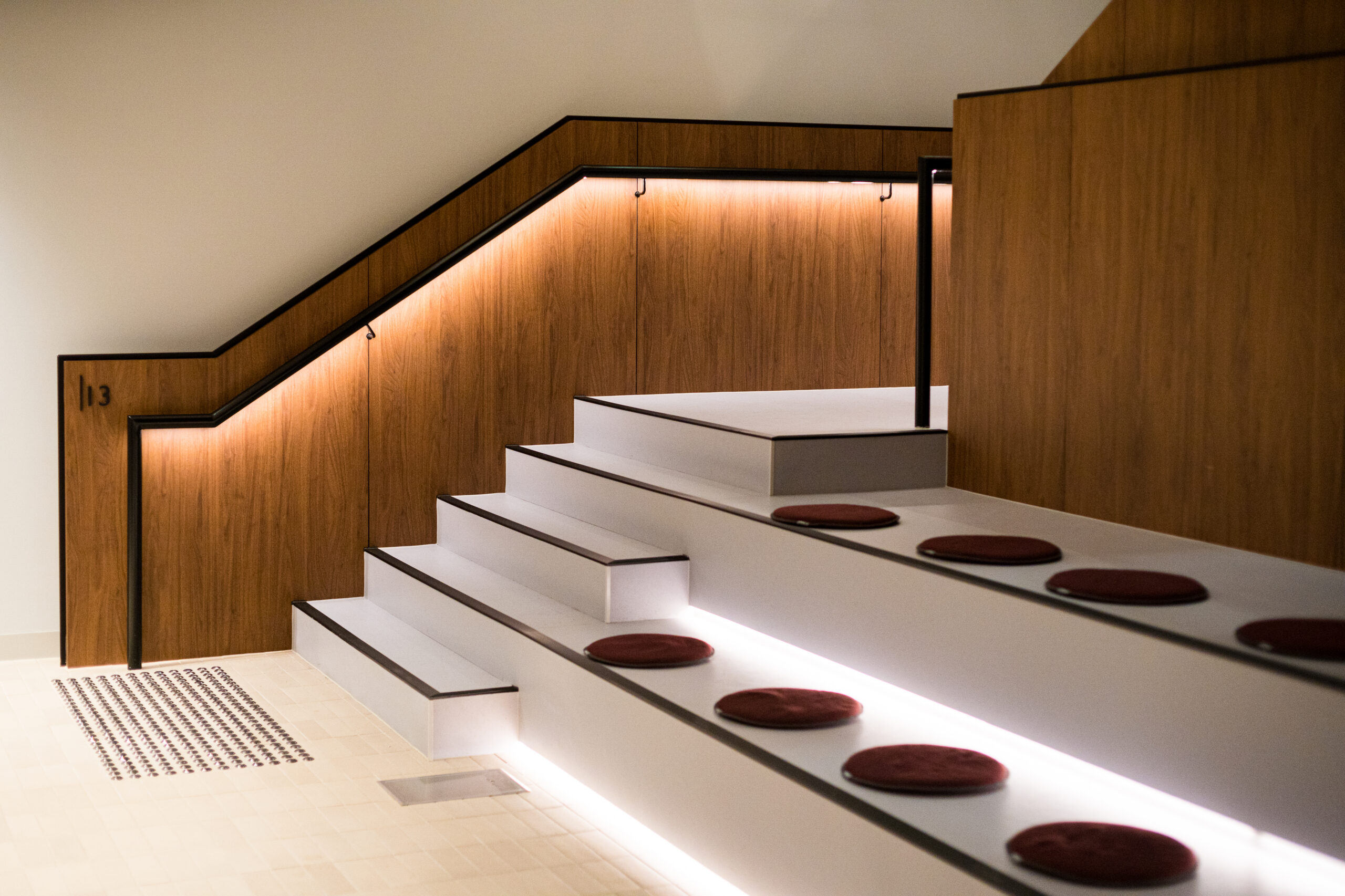
Project: Walsh Bay Arts Precinct featuring Classic Tredfx IKB121 Aluminium Stair Nosing
📥 Download the specification guide for Classic Tredfx IKB121.
Carpet and Vinyl Stair Nosings

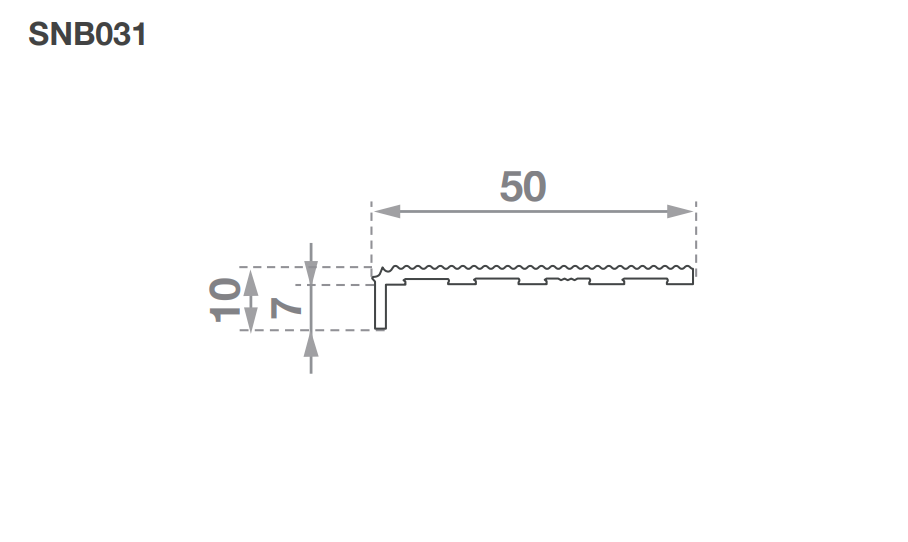
Project: Allianz Adelaide Headquarters featuring Classic Tredfx SNB031 Aluminium Stair Nosing
📥 Download the specification guide for Classic Tredfx SNB031.
Timber and Tiled Stair Nosings
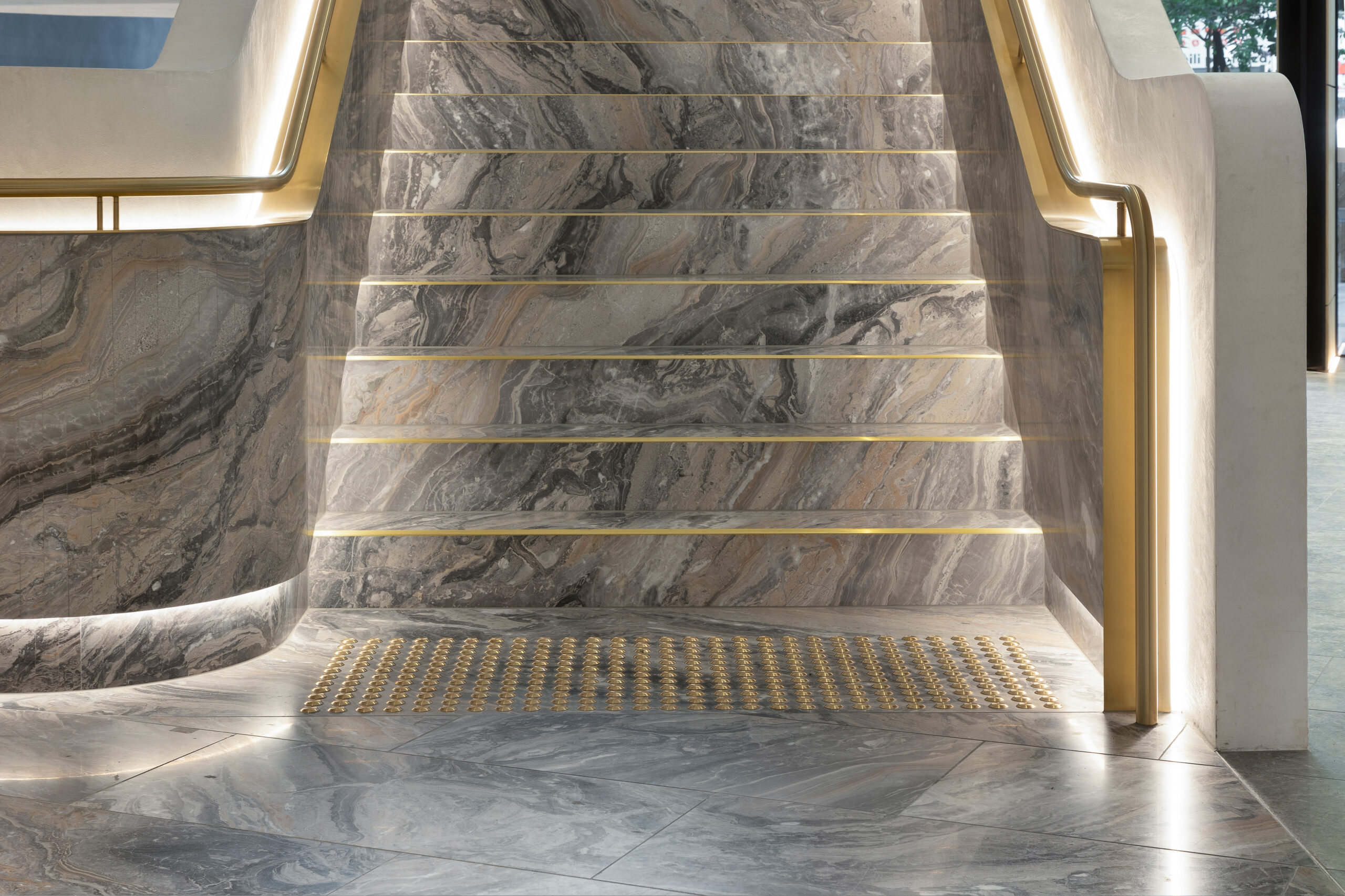
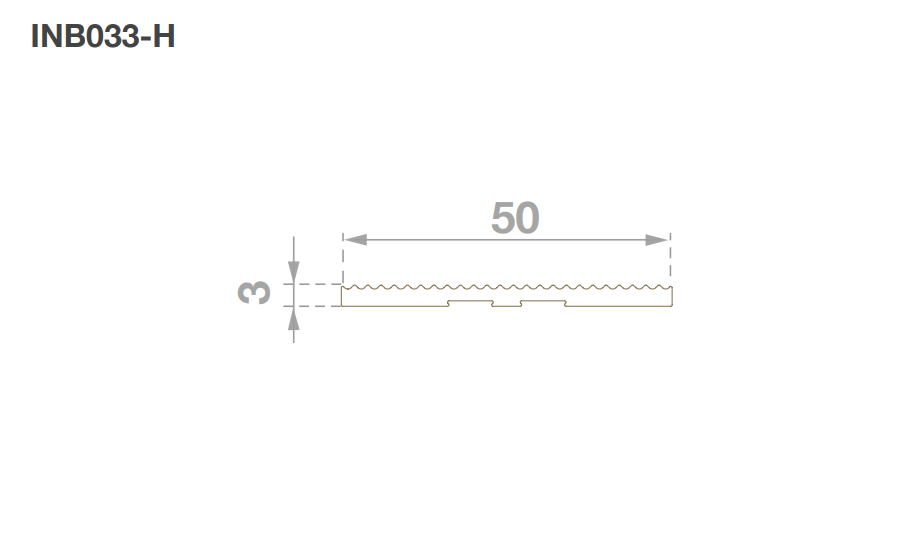
Project: 555 Collins Street featuring Classic Tredfx INB033-H Solid Brass Stair Nosings
📥 Download the specification guide for Classic Tredfx INB033-H.
Common Stair Nosing Specification Mistakes Architects Make
When stair nosing specification details are overlooked or left until late in the design or construction process, they can create compliance risks and installation challenges. This can result in costly rework, project delays, and design compromises.
Some of the most common mistakes when specifying stair nosings can include:
- Using generic stair nosing notes which can result in unsuitable product selection.
- Failing to specify slip resistance, luminance contrast, and fire resistance requirements, potentially leading to compliance issues.
- Overlooking fixing methods, substrates, or installation details, creating inconsistencies that may impact long-term performance and durability.
- Poor coordination with surrounding floor materials and finishes, resulting in compromised aesthetics and integration challenges.
- Selecting products too late in the project, limiting design options and increasing the risk of non-compliant substitutions
- Failing to consider durability and ongoing maintenance requirements, potentially affecting long-term performance in high-traffic environments.
Taking a proactive approach to stair nosing specification and integrating safety and access solutions early in the design process helps ensure compliant and more cohesive architectural outcomes.
Stair Nosing Specification Checklist for Architects
☐ Review all compliance requirements
☐ Select the appropriate stair nosing system
☐ Specify the material and finish
☐ Nominate slip resistance requirements
☐ Confirm luminance contrast compliance
☐ Reference CAD or Revit files and technical details
☐ Complete stair nosing detailing on drawings
☐ Document installation requirements
☐ Update the specification schedule
Frequently Asked Questions
When should stair nosings be selected during design development?
Ideally, stair nosings should be considered in the early planning and design phases, rather than being left until construction documentation or procurement. Early selection allows you to coordinate materials and fulfil compliance requirements while aligning with overall design intent.
Can manufacturer CAD or REVIT files be used in construction documentation?
Yes. Manufacturer-supplied CAD and Revit files are commonly used to support construction documentation and can help improve the accuracy of stair nosing detailing.
Where can architects access stair nosing CAD and REVIT files?
You can access a comprehensive range of downloads and guides on each of our stair nosing product pages, including CAD drawings, REVIT files, product data sheets, specification and installation guides, care guides and more. We provide fully integrated solutions across stairs, floors, entrances, bike storage, bollards and car park safety – designed to work together seamlessly.
If you can’t locate what you’re looking for, please reach out to our friendly team for assistance.
Compliance Begins with Classic
Specifying stair nosings correctly goes beyond simply meeting compliance requirements. It plays a pivotal role in delivering safe, functional architectural outcomes that perform as intended and enhance the overall user experience.

To achieve this, architects need to ensure stair nosing selections are clearly documented and appropriately detailed, ensuring coordination with surrounding stair finishes and construction elements. Using accurate stair nosing CAD or REVIT files and up-to-date technical resources can help reduce ambiguity and streamline outcomes across every phase of the project, from design to completion.
With over 45 years of experience, Classic Architectural Group offers fully integrated safety and access solutions for stairs, floors, entrances, bike storage, bollards, and car park environments – designed to work seamlessly together across commercial projects. A comprehensive range of product information, CAD drawings, REVIT files, technical resources, and planning tools is available on our website, along with expert team support.
Delivering compliance and certainty at every stage, contact us to discuss your project requirements in more detail.