Classic Speed Bumps.
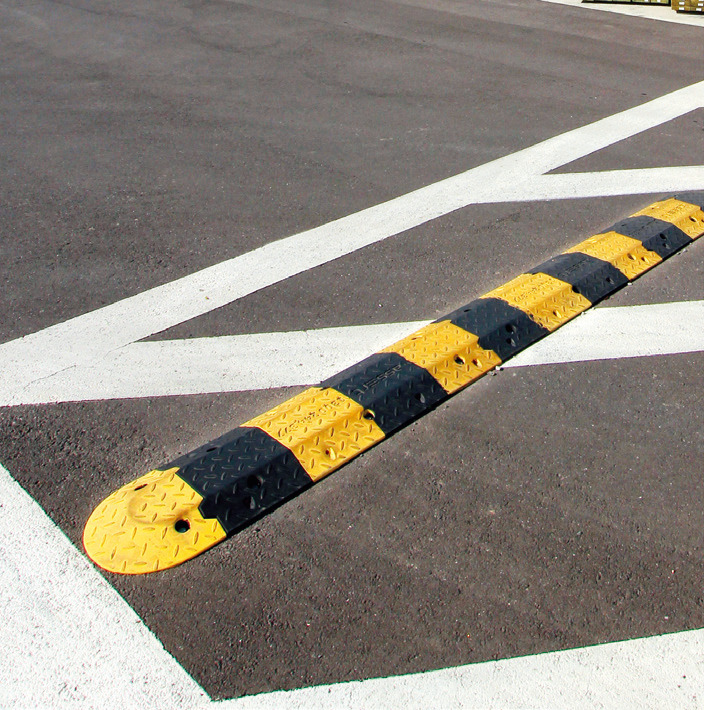
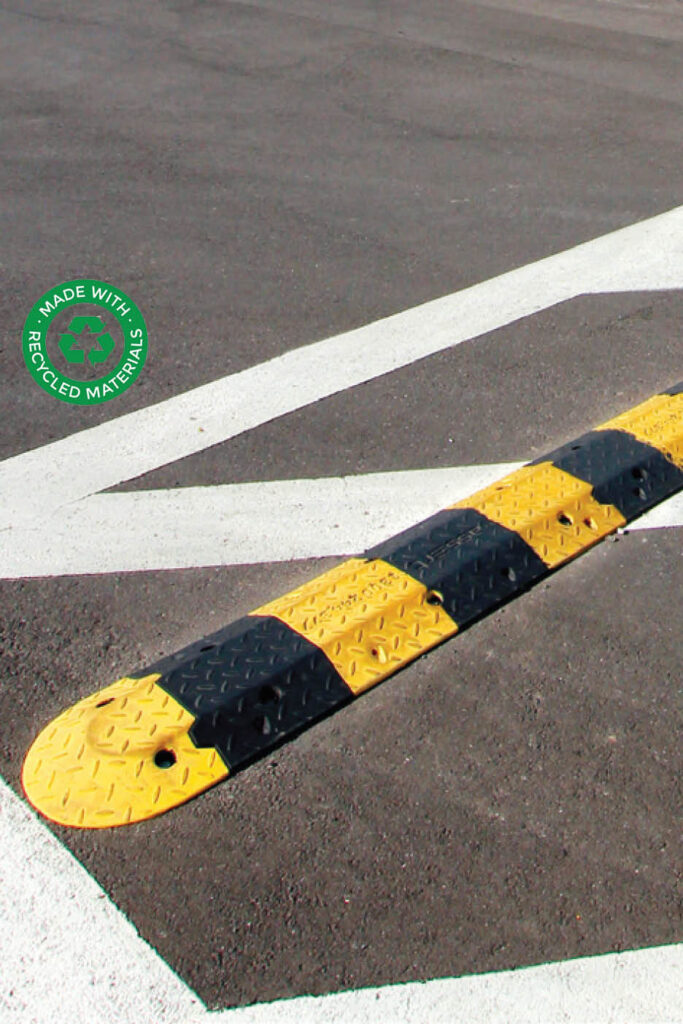
Classic Speed Humps are a durable traffic-calming solution that allows pedestrians and vehicles to share space. Choose recycled-rubber speed humps for an economical option, or heavy-duty steel speed humps for high-traffic and industrial sites where strength matters most.
Designed to naturally reduce vehicle speeds through clear visual and physical cues, they’re ideal for car parks, schools, transport depots, and high-activity zones.
Our speed humps are engineered for Australian conditions with features that enhance both safety and functionality. High-visibility colours and reflective strips ensure excellent day and night performance, while the low-noise design makes them suitable for residential areas, schools, and noise-sensitive environments. All products are NCC and AS 1428 compliant and come with a lifetime warranty, providing long-term peace of mind for your project.
Classic Architectural Group supplies and installs speed humps Australia-wide. From consultation and design to supply and installation, we manage every step to deliver effective car park safety solutions for your next project. Contact us today for a quote.
- Rubber options for an economical solution
- Heavy duty steel options to slow up the heaviest of vehicles
- Supplied with all fixings
- NCC and AS1428 compliant products available
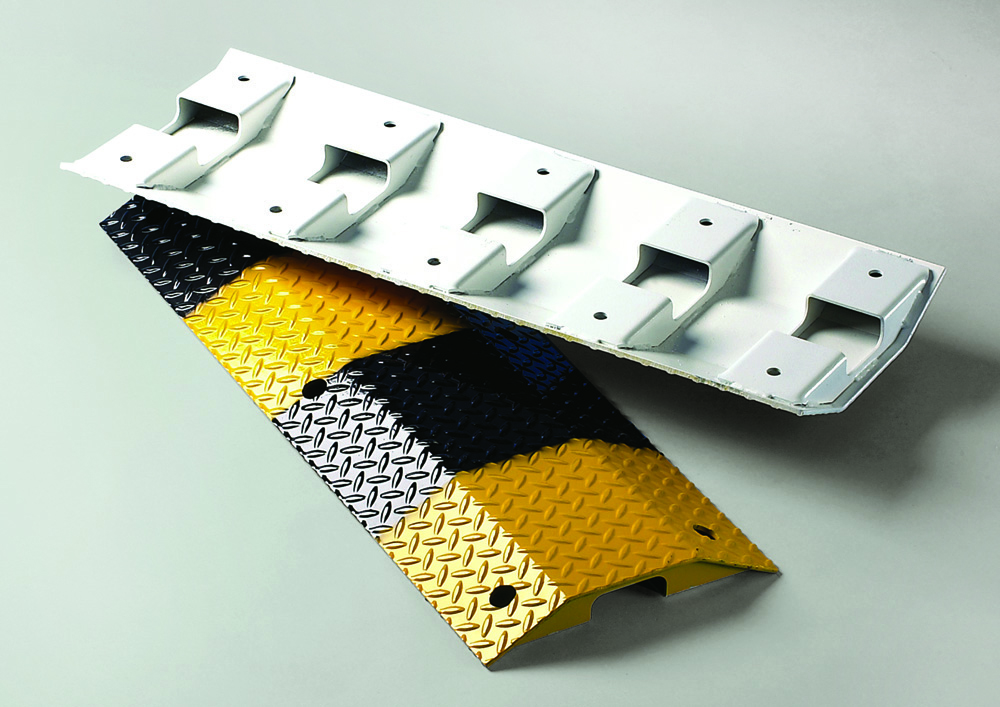
Speed Hump
Bitumen and concrete applications
Suitable for high traffic areas



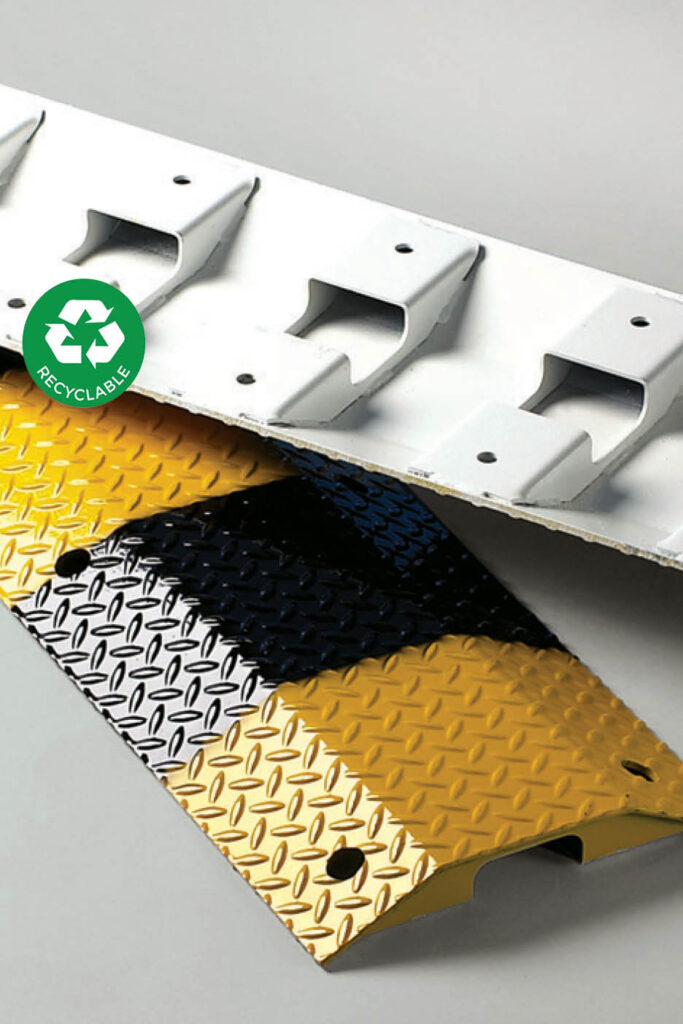
Speed Hump
Bitumen and concrete applications
Optimal load bearing contact area
Where Should You Install Speed Humps?
Strategic speed hump placement maximises traffic calming while maintaining smooth vehicle flow. Here are the 8 key locations:
- Car park entry/exit points – Slow vehicles as they enter high-pedestrian areas
- Near building entrances – Protect foot traffic at busy access points
- Pedestrian crossing zones – Ensure safe speeds where people walk across traffic lanes
- School drop-off areas – Control speeds during peak pickup and drop-off times
- Loading dock zones – Manage speeds near reversing vehicles and workers
- Sharp corners or blind spots – Reduce speed before low-visibility areas
- Long straightaways – Prevent speed buildup on open stretches
Frequently Asked Questions
Call our team on 1300 244 377.
What's the difference between speed humps, speed bumps, and speed cushions in Australia?
Speed humps are the most common traffic calming device in Australia. They have gradual raised sections (typically 75-100mm high and 3-4m long) that slow vehicles to 15-30 km/h without harsh impact. Speed bumps are shorter and more aggressive (often used in private car parks), while speed cushions feature gaps to allow emergency vehicles to pass unimpeded.
For Australian projects, speed humps are preferred in areas such as school zones, residential streets, and car parks where consistent speed reduction is required. Classic Architectural Group supplies both recycled rubber speed humps for cost-effective installations and heavy-duty steel speed humps for high-traffic sites. All our products comply with NCC and AS 1428 standards and are engineered specifically for Australian road conditions.
Do speed humps need to comply with Australian standards, and what are the legal requirements?
Yes, speed humps installed in Australia must comply with AS 1428 (Design for access and mobility) and AS 2890 (Parking facilities standards) where applicable. For publicly accessible areas, compliance with the National Construction Code (NCC) is also required. Speed humps must include appropriate signage, line markings, and, in many cases, high-visibility materials or reflective elements for nighttime safety.
Classic Architectural Group ensures all speed hump installations meet these requirements. Our products come with compliant reflective strips, high-visibility yellow-and-black striping, and can be installed with required warning signage and road markings. We handle council liaison and compliance documentation as part of our turnkey installation service across Australia, taking the regulatory burden off property managers and developers.
Where should speed humps be installed for maximum effectiveness and safety?
Speed humps are most effective when installed 50-100 meters before high-risk zones like pedestrian crossings, school entrances, playground areas, or blind corners. In car parks, position them near entry/exit points, pedestrian walkways, and areas with frequent foot traffic. Avoid placing speed humps on steep gradients (over 5%), near drainage points, or where emergency vehicle access could be compromised.
The ideal speed hump placement depends on your site’s traffic flow, sight lines, and usage patterns. Classic Architectural Group provides free site assessments Australia-wide to determine optimal placement for your car park, school, or industrial facility. Our consultation includes traffic flow analysis, compliance review, and recommendations for both recycled rubber and steel speed hump solutions tailored to your environment — from noise-sensitive residential areas to heavy-duty transport depots.

Dream it. Visualise it. Implement it.
Classic's 3D and Augmented Reality tool makes it easy to visualise and interact with our products in your environment.

GreenTag Level A Certification for Integra Vantt
Classic's Integra Vantt Entrance Matting is the only entrance matting on the market to have achieved the prestigious Level A Certification.
Trusted by you for over 40 years
Stay connected with us on social media to discover firsthand testimonials from our valued customers sharing their experiences with Classic.
Chat with our specialists about your next project.
Call Classic Architectural Group today on 1300 244 377