Classic Height Bars.
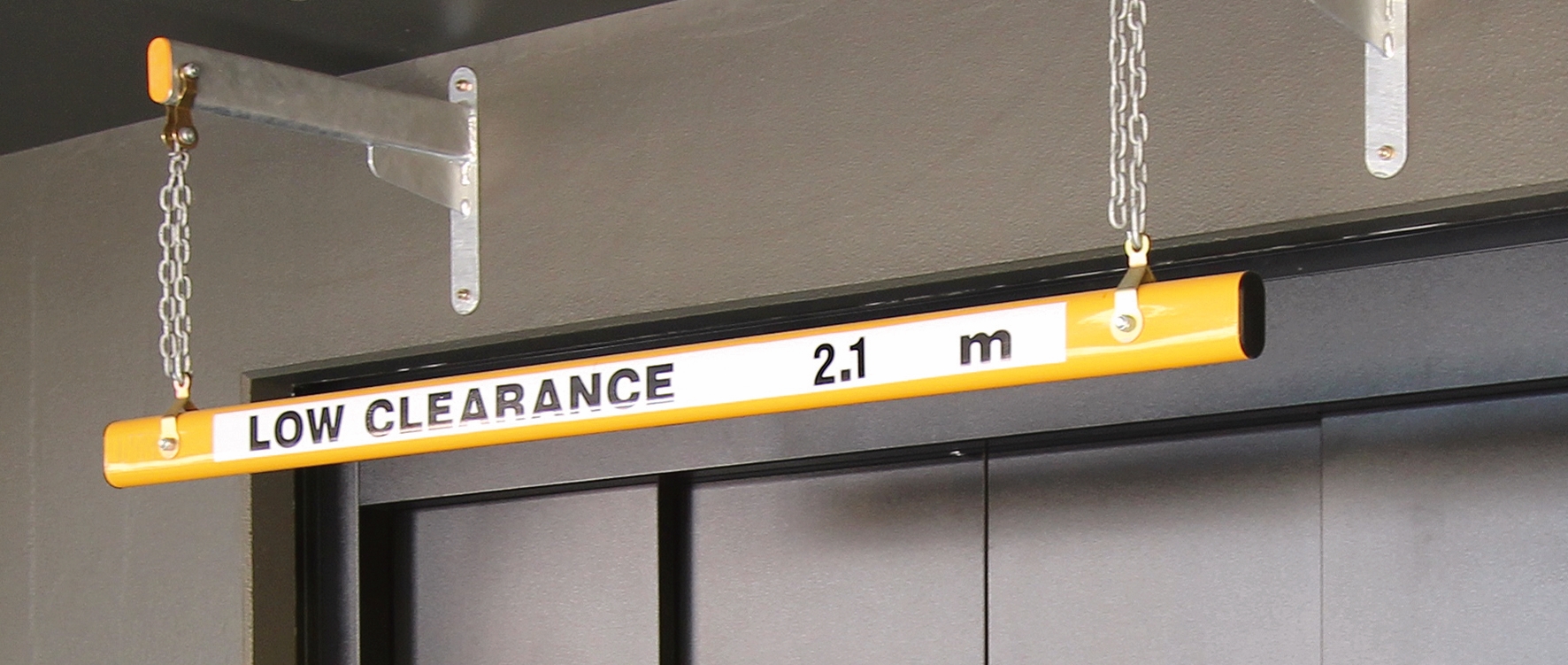
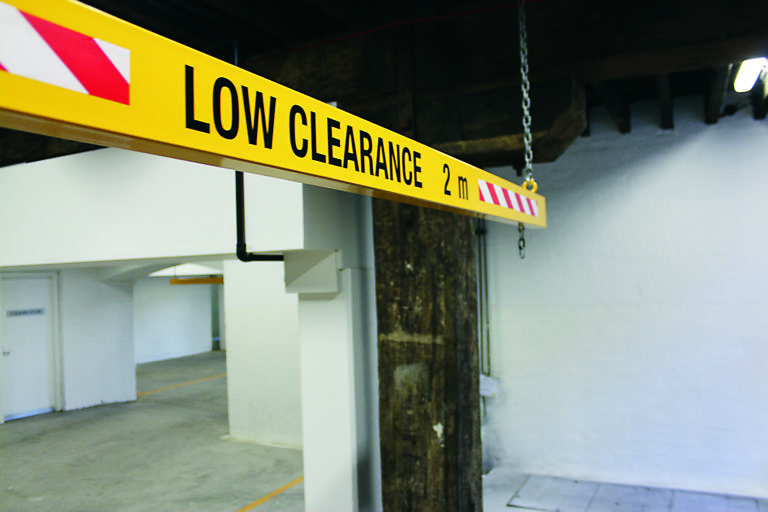
Protect your building from oversized vehicles with Classic Height Bars, powder coated in safety yellow for high visibility and ideal for car parks, petrol stations and drive-throughs.
Classic’s height bars are highly visible in both daylight and low-light conditions. This ensures drivers receive a clear visual warning, reducing the risk of oversized vehicles entering unsuitable areas and causing damage.
Backed by over 40 years of expertise, Classic Architectural Group supplies high-performance, low-maintenance height bars and other car park safety products Australia-wide. Our team provides an end-to-end service that includes consultation and design to help you find the right fit for your space. Contact us to get a quote.
- Aluminium yellow powder coated for high visibility
- Different size and installation options available
- Supplied with hanger assemblies and chain
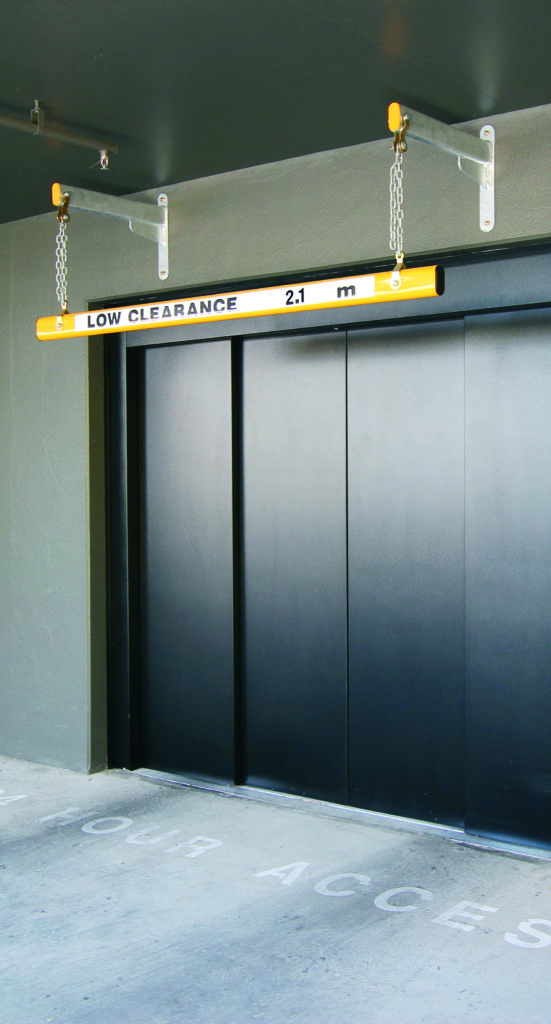
Height Bar
Safety yellow aluminium
Supplied with hanger and chain


Where Should Wheel Stops Be Installed for Maximum Safety and Protection?
Proper wheel stop placement protects your infrastructure, prevents accidents, and maximises usable parking space. Here are 7 essential locations where wheel stops deliver the greatest safety and cost-saving benefits:
1. Against Building Walls
Prevent vehicles from striking facades, windows, structural elements, and roller doors. Position wheel stops 600-900mm from walls to allow adequate clearance for boot access while protecting building surfaces from impact damage.
2. Around Structural Columns
Create protective buffer zones around load-bearing pillars and support columns. Wheel stops prevent costly structural damage from vehicle impacts that could compromise building integrity and require expensive repairs.
3. At Kerb Edges and Drop-Offs
Stop vehicles before they mount footpaths, damage landscaping, or risk wheels dropping over edges. Essential for elevated car parks, sloped areas, and any location where ground levels change.
4. Along Pedestrian Pathways
Define clear boundaries between parking zones and walking areas. Wheel stops create a physical barrier preventing vehicles from encroaching into pedestrian spaces, particularly important near entries, crossings, and high-foot-traffic zones.
5. In Angled Parking Bays
Guide drivers to correct positioning in diagonal parking layouts (typically 45°, 60°, or 90° configurations). Proper placement ensures vehicles don’t overhang into traffic aisles and maximizes the number of compliant parking spaces.
6. Around Utility Infrastructure
Protect electrical boxes, water meters, gas connections, fire hydrants, drainage pits, and service access points from vehicle impact. Strategic wheel stop placement prevents service disruptions and costly utility repairs.
7. At Parking Bay Ends in Through-Traffic Areas
Prevent vehicles from overhanging into traffic lanes, circulation routes, or adjacent parking spaces. Critical for maintaining clear traffic flow and ensuring compliance with AS 2890 parking facility standards.
Have Questions?
Call Our Team on 1800 062 064
What are the Australian standards for height bar installation in car parks, and when are they legally required?
Height bars (also called height restriction bars or clearance bars) must comply with AS 2890.1 (Parking Facilities – Off-street car parking), which specifies when and where height warning systems are mandatory. According to Australian standards, height bars are legally required at locations where vehicles first enter an undercover area or encounter an overhead obstruction in two specific circumstances: if the clearance is 3 meters or less and only cars or light vans are likely to use the facility, or if the clearance is 4.6 meters or less in all other areas including facilities accessed by trucks, delivery vehicles, or commercial traffic.
The height bar must be positioned at the entry point before vehicles commit to entering the restricted clearance zone, giving drivers adequate warning and decision time to reverse or choose alternative access. The bar should be set 100mm below the lowest point of the overhead structure, pipes, beams, or services to ensure adequate safety clearance and account for vehicle suspension movement. This 100mm buffer prevents vehicles that clear the warning bar from still striking overhead infrastructure.
Height bars must be highly visible with safety yellow powder coating over galvanised steel construction, feature high-contrast “LOW CLEARANCE” text with the specified height limit displayed in black letters on white background, include reflective diagonal chevron striping for visibility in low-light underground car parks, and be constructed from materials that won’t swing or flip in wind conditions, ensuring the warning remains in position. The bar should span the full width of the entry point, with standard lengths of 2m, 3m, 5m, or 6m available, or custom lengths manufactured for wider entrances.
Complementary signage is also required under AS 2890.1, including advance warning signs before the height bar indicating “LOW CLEARANCE AHEAD” with the specific height restriction, and additional signage at the height bar location reinforcing the maximum vehicle height permitted. This dual warning system (physical bar plus signage) ensures drivers receive multiple alerts before entering restricted areas.
Classic Architectural Group manufactures AS 2890.1-compliant height bars in galvanised steel with a powder-coated safety yellow finish, reflective striping, custom height text, and complete installation hardware, including suspension chains and hanger assemblies. Our team provides site assessment to determine correct height bar placement, measurement of lowest clearance points, and professional installation across Australia, ensuring full compliance with parking facility standards.
What's the difference between galvanised steel and aluminium height bars, and which material is better for my car park?
Material selection for height bars significantly impacts durability, stability, and long-term performance, particularly in exposed outdoor entry points and windy conditions. The two main options available are galvanised steel and aluminium, each with distinct characteristics suited to different applications.
Galvanised steel height bars are the industry-standard choice for most car park applications due to their superior weight, stability, and weather resistance. Heavy-wall galvanised steel construction (typically 2mm rectangular hollow-section tube) provides substantial weight, keeping the bar stable and hanging vertically even in strong winds. This stability is critical because a height bar that swings, flips, or moves in the wind fails to provide accurate height warning and can create confusion for drivers. The galvanised coating prevents rust and corrosion over decades of exposure to rain, humidity, and coastal salt air, making steel bars virtually maintenance-free throughout their 20-30+ year lifespan.
Steel height bars are essential for exposed entry points subject to wind and weather, coastal car parks where salt air causes rapid corrosion of inferior materials, facilities requiring maximum visibility and professional appearance, high-traffic commercial car parks where durability matters, and any installation where the height bar may be struck by vehicles (steel withstands impact better than aluminium without permanent deformation).
Aluminium height bars are lighter-weight alternatives that offer easier handling during installation and lower material costs. The lightweight construction (typically extruded aluminium section 100mm high × 40mm deep) means aluminium bars can be suspended from lighter-duty mounting points, including facades or ductwork, where heavier steel bars might not be suitable. Aluminium naturally resists corrosion through oxidation rather than coating, providing reasonable weather resistance in protected locations.
However, aluminium’s light weight is also its primary weakness. Aluminium height bars are prone to swinging in the wind, can flip over completely in strong wind conditions, may rotate on their suspension chains, making the warning text unreadable, and provide less accurate height indication when not hanging vertically. These movement issues can cause drivers to misjudge whether they can safely enter, potentially resulting in a vehicle striking the height bar.
Classic Architectural Group manufactures height bars exclusively in heavy-wall galvanised steel with safety yellow powder coating, recognising that stability and accuracy are non-negotiable for effective height restriction systems. Our bars include 6mm galvanised suspension chains, hanger assemblies, end caps, and all mounting hardware for professional installation that complies with AS 2890.1 requirements across Australia.

Dream it. Visualise it. Implement it.
Classic's 3D and Augmented Reality tool makes it easy to visualise and interact with our products in your environment.
GreenTag Level A Certification for Integra Vantt
Classic's Integra Vantt Entrance Matting is the only entrance matting on the market to have achieved the prestigious Level A Certification.
Trusted by you for over 40 years
Stay connected with us on social media to discover firsthand testimonials from our valued customers sharing their experiences with Classic.
Chat with our specialists about your next project.
Call Classic Architectural Group today on 1300 244 377