As workplaces evolve and safety expectations continue to rise, workplace safety remains a critical priority across Australian commercial environments.
From office buildings to hospitality venues, retail centres, and industrial facilities, compliance requirements are also becoming more complex and rigorous.
Regularly reviewed and updated to ensure relevance, the WHS and NCC frameworks outline clear guidelines and legal obligations for those who design, specify, and manage commercial sites, helping increase safety and accessibility.
According to the latest national data:
Falls, trips and slips accounted for 32,000 serious workers’ compensation claims (21.8%) in 2023–24, making them the second largest cause of serious claims nationally. Of those claims, 68.3% were falls on the same level, 24.4% were falls from a height, and 7.3% were stepping, kneeling or sitting on objects. 188 workers also died from traumatic workplace injuries in 2024.
To reduce these risks, safety solutions must be integrated into the design and construction of buildings from the earliest stages of project planning. This guide explores the essential commercial safety products that help projects meet compliance requirements while ensuring long-term functionality and performance.
What Are Commercial Safety Products?
Commercial safety products are built-environment safety solutions designed to improve accessibility, visibility, and everyday functionality, protecting both users and the property within commercial spaces.
While workplace safety also relies on personal protective equipment (PPE), emergency management systems, and safety procedures, commercial safety products are designed as part of the building itself.
Stair Safety
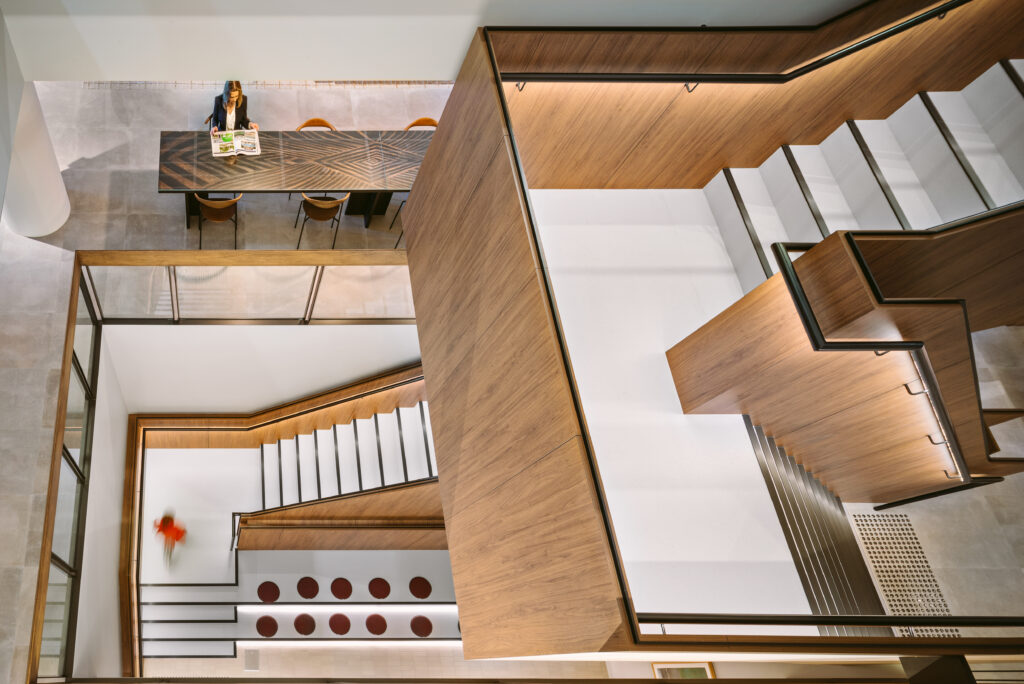
Stairways are among the highest-risk areas in commercial buildings.
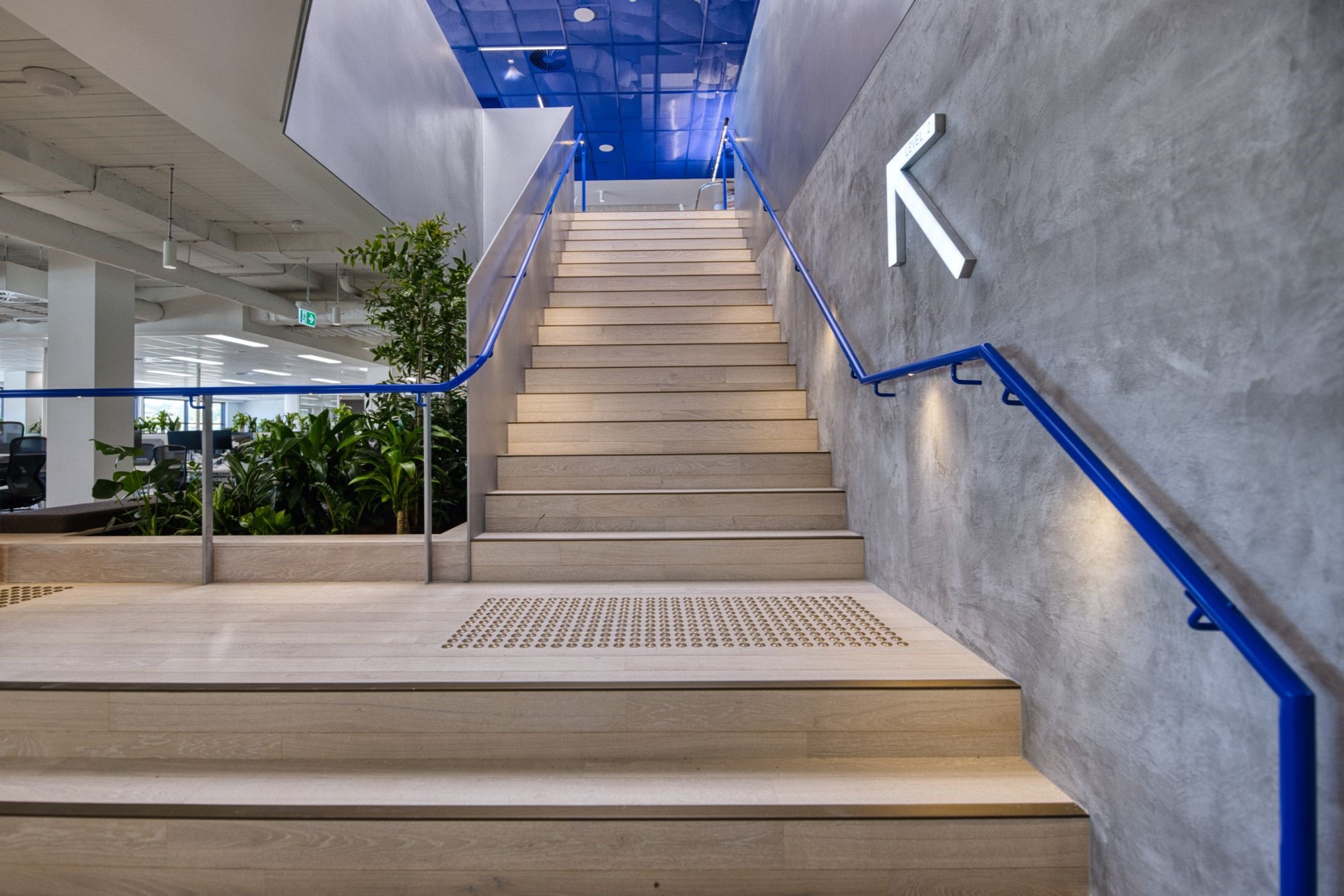
Installing slip-resistant stair nosings improves traction and visibility, reducing the likelihood of slips and falls.
Accessibility Systems
Ensuring accessible and inclusive environments is essential for people who are blind or have vision impairments to navigate shared spaces safely and confidently.
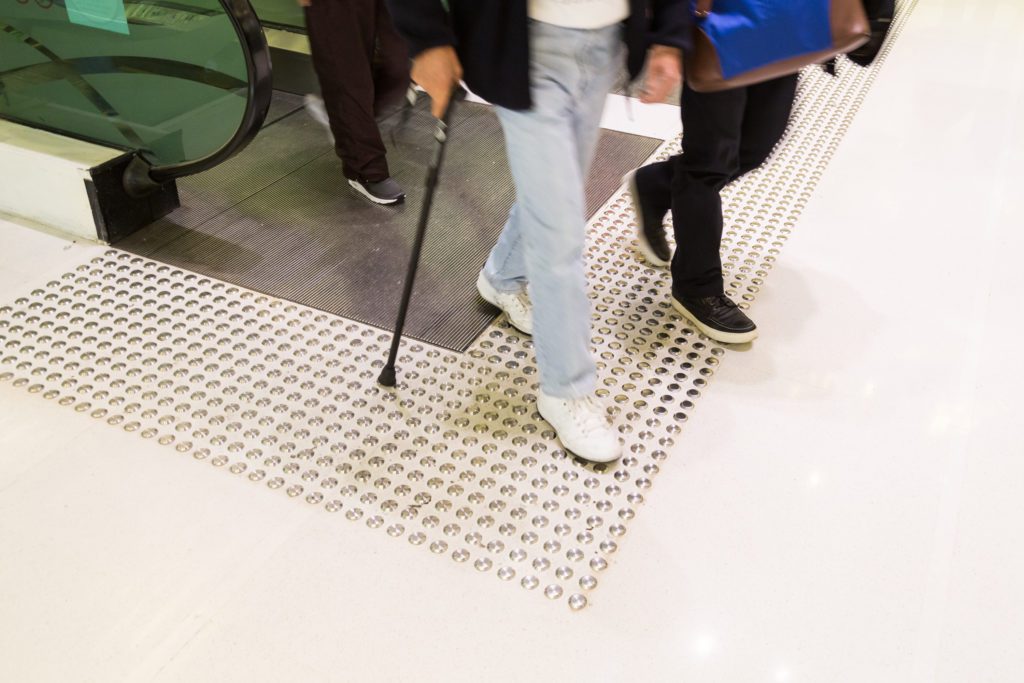
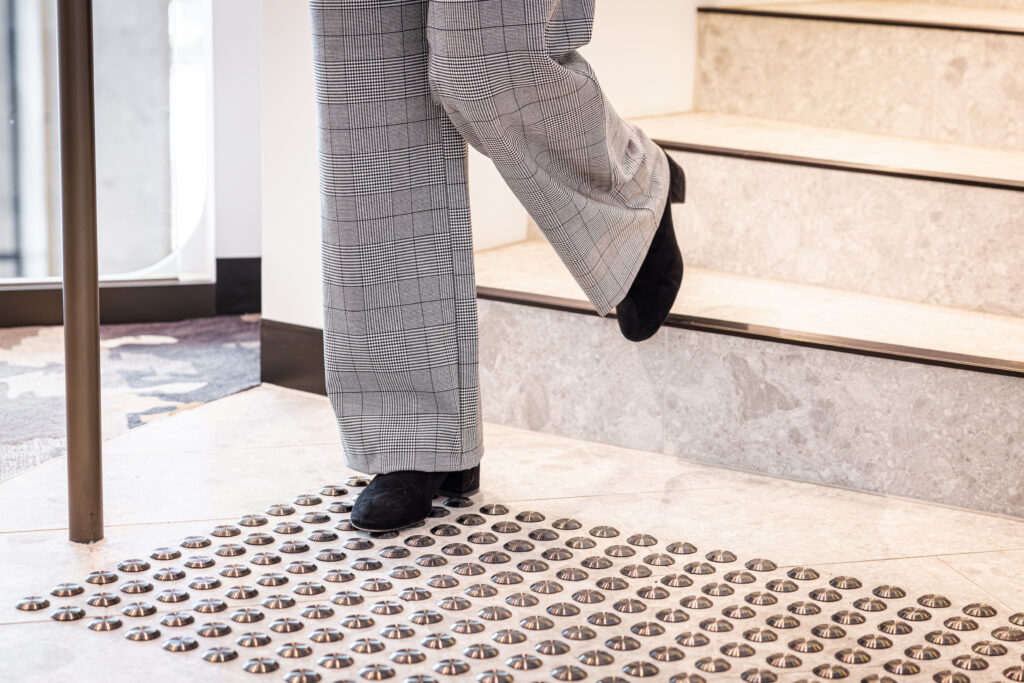
Tactile Ground Surface Indicators (TGSIs) are typically installed at key decision points such as stairways, ramps, escalators, and pedestrian crossings.
Impact Protection
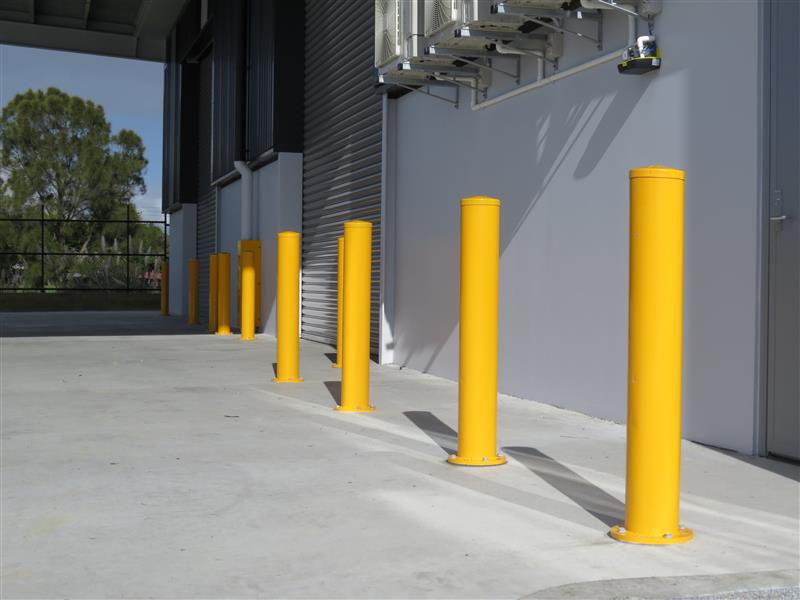
Helping control traffic and define safe boundaries, bollards are crucial for safeguarding both users and infrastructure from accidental or deliberate vehicle impact. Safety bollards are commonly installed around building entrances, loading areas, parking lots, and pedestrian zones.
Car Park Safety
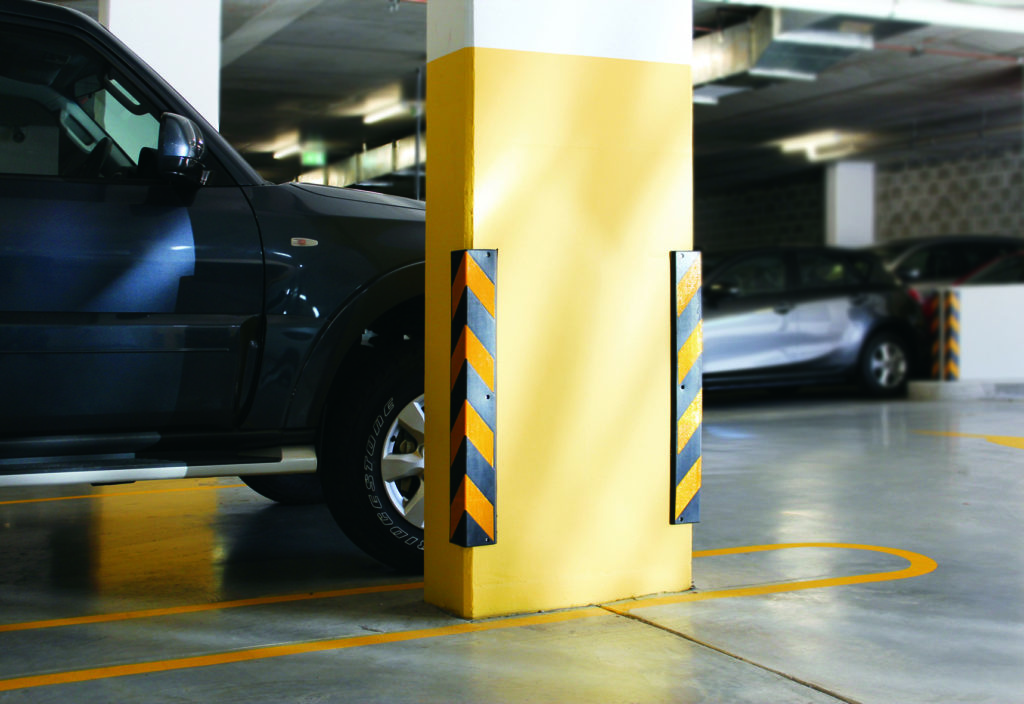
As shared-use environments, car parks can pose significant hazards to both pedestrians and drivers, from vehicle collisions to poor visibility. Car park safety products must be installed to provide clear guidance while protecting people and assets.
These products are typically specified during the design and planning stages to ensure compliance while maintaining seamless aesthetics and functional design across the built environment.
Why Safety Products Matter in Workplaces: Compliance with WHS & Australian Standards
Work Health and Safety (WHS) legislation requires businesses to provide a safe working environment that protects the health, safety, and well-being of employees.
In Australia, these obligations are further reinforced by multiple frameworks, such as the National Construction Code (NCC) and the Building Code of Australia (BCA), which promote the integration of safety and accessibility products into building design.
The NCC and BCA incorporate Australian Standards that set out specific requirements for designing accessible environments, including provisions for mobility and access. The BCA adopts AS1428.1:2021, which outlines the design and construction of buildings and facilities to ensure accessibility for people with disabilities. AS 1657 also specifies compliance requirements for stairs, ramps, and walkways.
In addition, while the Disability Discrimination Act (DDA) doesn’t specify safety solutions, it mandates that buildings and facilities provide reasonable access for individuals with disabilities.
Understanding how these standards intersect is essential for building professionals when selecting and specifying safety products for commercial spaces. It ensures compliance while also supporting safe access, hazard reduction, and mitigating legal risk.
➜ For more information, refer to our compliance guides here.
Anti-Slip & Stair Safety Solutions
Slips, trips, and falls are among the most common causes of injury in both commercial and public environments, making stairways a key focus in building design. These risks are further increased in high-traffic settings and in areas subject to changing conditions, such as moisture and lighting.
Anti-slip and stair safety solutions are designed to minimise these risks by defining step edges and improving underfoot traction.
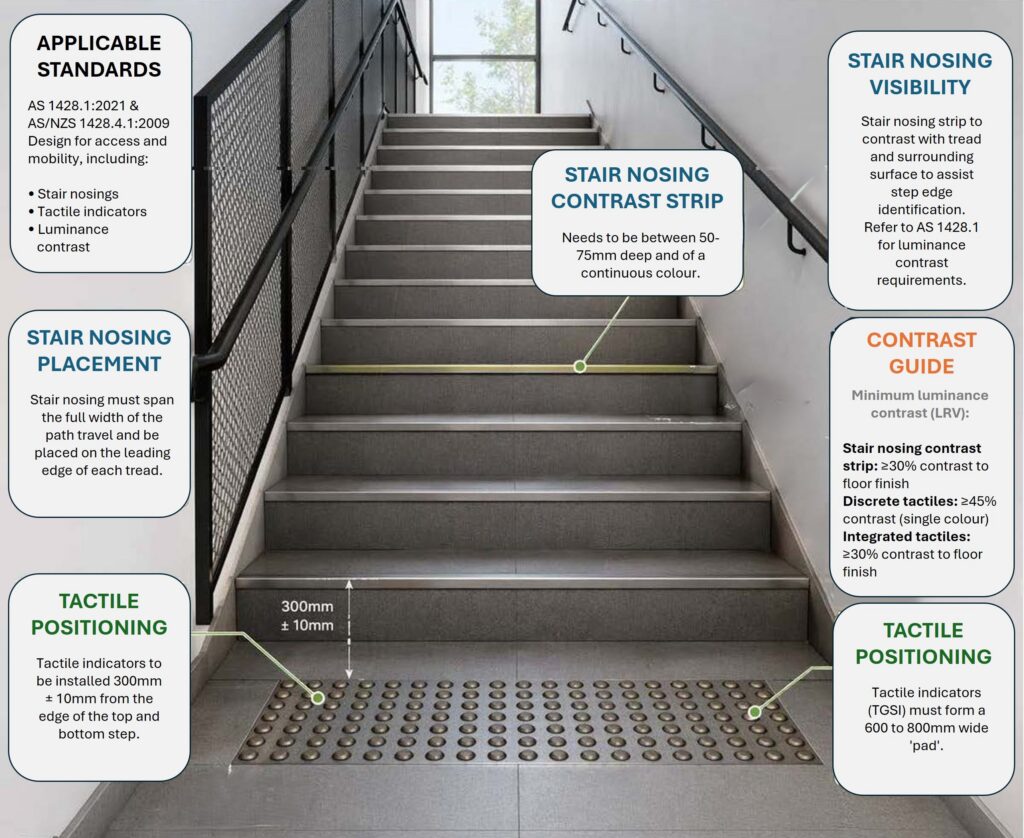
Stair nosings are installed along the edges of each step, providing a durable, high-contrast surface to enhance safety and visibility while protecting stair edges from wear and tear over time. The Australian Standards outlines requirements for slip resistance, contrast, and correct placement to guide product selection and installation.
Tactile Ground Surface Indicators (TGSIs) are essential for providing non-visual cues that assist people who are blind or vision-impaired to navigate built environments safely and independently.
Alongside other wayfinding and safety features, they provide important directional and orientational cues and alert to potential hazards.
In Australia, tactile ground indicators are specified in accordance with AS/NZS 1428, which outlines accessibility requirements for building design, including placement and layout.
AS/NZS 1428.4.1:2009 further specifies requirements for the Luminance Reflectance Value (LRV), which measures the contrast between tactile indicators and surrounding surfaces. This ensures clear visual differentiation, improving detectability and facilitating safer, more inclusive spaces.
Safety is especially critical in commercial and public spaces where pedestrians and vehicles share access, such as car parks and loading zones.
Bollards and car park safety solutions are designed to control vehicle movement, define safe boundaries, and protect both people and assets from accidental or intentional impact.
These solutions can include, but are not limited to, wheel stops, safety bollards, height bars, speed humps, corner guards, safety mirrors, and signage.
When correctly specified, they assist safe and efficient navigation while reinforcing clear separation between vehicles and pedestrians.
Selecting the right commercial safety products depends on a combination of environmental, compliance, and design factors.
Indoor vs. Outdoor Environment – Consider exposure to weather, moisture, UV, and other site conditions that may impact visibility, durability, and slip resistance.
Traffic Levels – Assess expected use, including low, medium, or high foot traffic, as well as wheeled traffic.
Compliance Requirements – Ensure products align with relevant Australian Standards, WHS obligations, and other design and accessibility requirements.
Installation Considerations – Factor in whether the project is a new build or retrofit, along with substrate type, fixing methods, and site conditions.
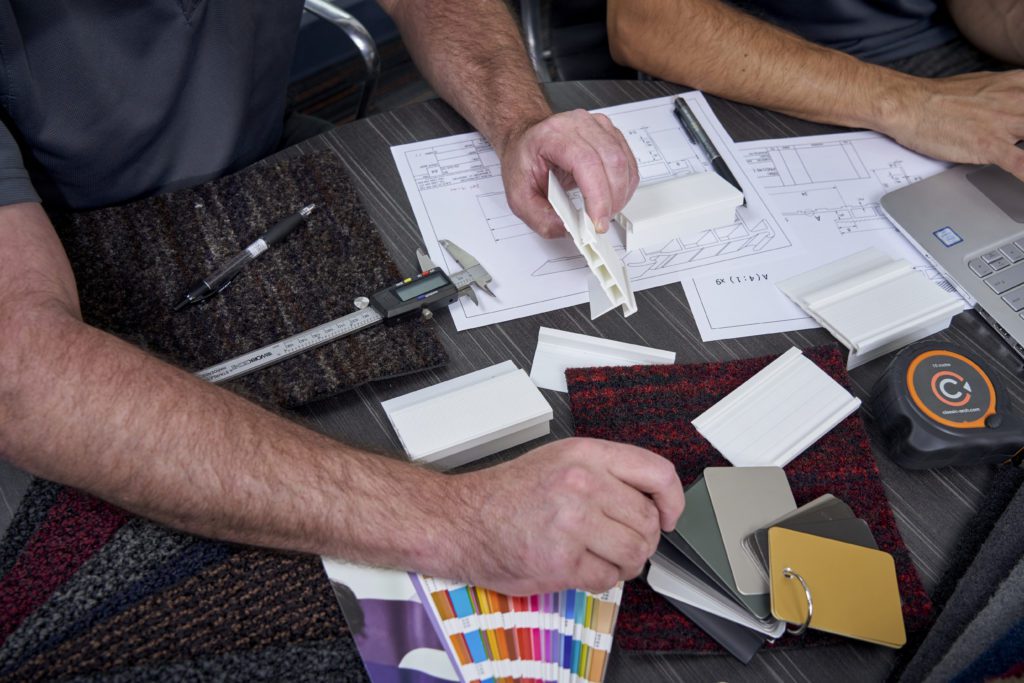
Architectural Design – Balance performance with aesthetics, including colour selection, material finishes, and integration with surrounding design elements.
Common Compliance Mistakes to Avoid
Even well-designed projects can fall short on safety and compliance requirements when key details are overlooked during specification and planning.
Some common mistakes can include:
Choosing non-compliant products – Selecting products that don’t meet relevant Australian Standards can result in failed safety inspections and increased liability.
Insufficient visibility and contrast – Poor colour contrast or low visibility can reduce the effectiveness of safety products.
Treating compliance as an afterthought – Leaving compliance considerations too late often leads to limited product options, design compromises, costly rework, and project delays.
Lack of maintenance – Even correctly specified products require regular inspection, maintenance, and replacement when necessary to facilitate ongoing performance and compliance.
We recommend consulting with our team for expert, tailored guidance.
Why Choose Classic Architectural Group
Safety and compliance are essential, not optional, considerations for any project. When specified early and correctly, the right commercial safety products help improve usability and reduce risk.
At Classic Architectural Group, we specialise in compliance-focused safety and accessibility solutions designed specifically for commercial environments.
With over 45 years of experience in commercial projects, we offer end-to-end support from tailored design through to installation and maintenance Australia-wide.
Our products are developed to meet relevant Australian Standards, creating safer, more inclusive spaces across a wide range of industries. Using high-quality materials and finishes, our range delivers long-term performance without compromising design intent.
To ensure your next commercial project meets compliance requirements with confidence, contact our team to discuss the right solution for your application.
Get industry and product news delivered to your inbox monthly