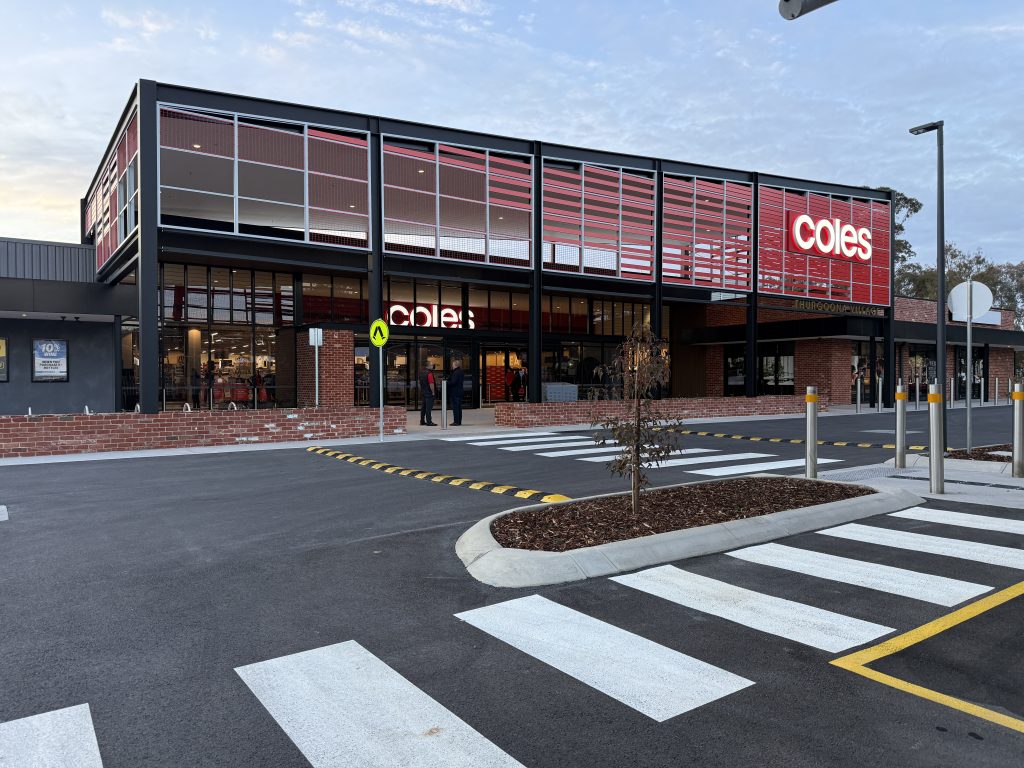
Bollards help protect people and property by creating a temporary or permanent physical barrier between vehicles and high-risk areas. In shopping centres and other high-foot-traffic environments, they can help safeguard pedestrians, shopfronts, entrances, and outdoor infrastructure from accidental or deliberate vehicle intrusion.
A 2017 incident in Melbourne demonstrated the importance of physical barriers for public safety. On 21 December 2017, a vehicle was deliberately driven into pedestrians near Flinders Street train station during rush hour, injuring 19 people. The vehicle was only brought to a stop after hitting a metal bollard. This incident demonstrated the critical role safety bollards can play in protecting high-traffic pedestrian and shared access areas.
With over 45 years of experience delivering safety and access solutions for shopping centres and commercial projects across Australia, Classic Architectural Group can help you specify the right commercial bollards suited to the risks and requirements of each application. In this article, we’ll explore how to select bollards for different shopping centre zones, the key factors to consider when specifying them, and common mistakes to avoid.
Why Shopping Centres Need Different Bollards Than Other Commercial Sites
Shopping malls and retail precincts often operate differently from many other commercial sites. Unlike industrial developments or restricted government sites, they combine high volumes of pedestrian traffic with all-day public access and constant vehicle movements.
From car parks and pick-up zones to loading docks and emergency access routes, vehicles move through multiple areas of a shopping centre throughout the day. This increases the risk of vehicles entering pedestrian areas and causing collisions or damage to buildings and other site infrastructure. According to the National Road Safety Partnership Program (NRSPP), shopping centre car parks represent 50% of pedestrian injuries reported in car park incidents.
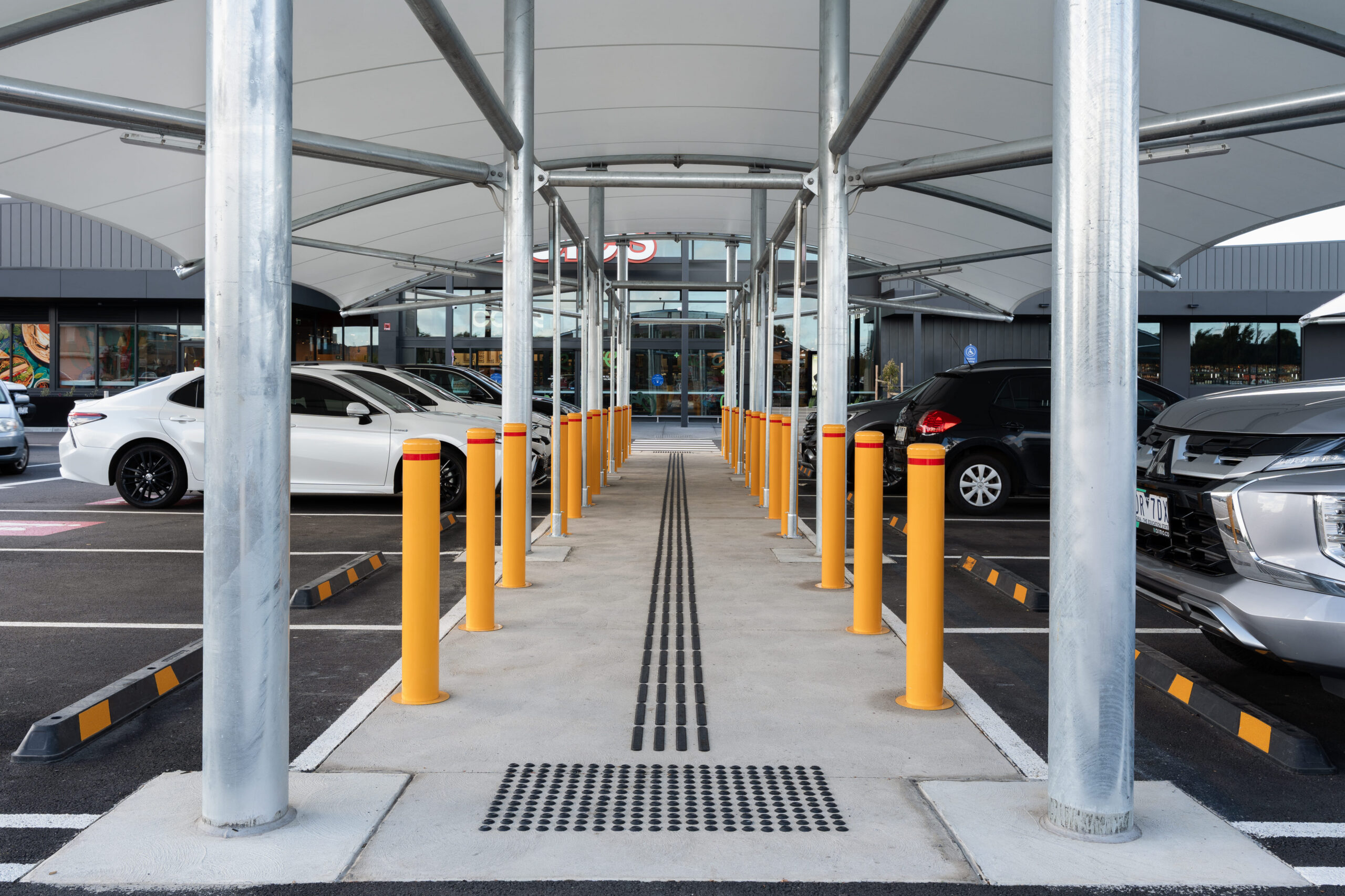
While using bollards in warehouses often focuses on infrastructure protection and controlled access, shopping centres must account for the wider demands of a public-facing environment. Different bollards will need to serve different purposes, including but not limited to protecting pedestrians around outdoor dining areas, shielding shopfronts and landscaping, managing traffic flow through car parks and loading zones, and maintaining access for emergency and service vehicles.
Appearance and ongoing maintenance also play an important role. Bollards are highly visible throughout a shopping centre, so their design and placement should complement the surrounding architecture rather than making the space feel overly industrial or restrictive. This helps maintain a more open and welcoming environment for customers. They also need to withstand the environmental conditions of each location and remain practical to maintain over time.
Expert tip: Shopping centres rarely need one type of bollard.
A shopping centre is made up of multiple zones, each with its own safety risks and access requirements. A strategic mix of bollard types can therefore provide more effective protection across the site than simply installing the same product throughout.
Consult an experienced supplier such as Classic Architectural Group to assess each application and recommend shopping centre bollards suited to the demands of each location. Where a standard product isn’t suitable, custom solutions can also be developed to meet the particular needs of your project.
The Main Risks Bollards Help Prevent
Bollards do more than block or restrict access. They are often strategically installed throughout a site to clearly guide traffic flow and separate shared areas, while protecting both people and assets.
Vehicle Strikes
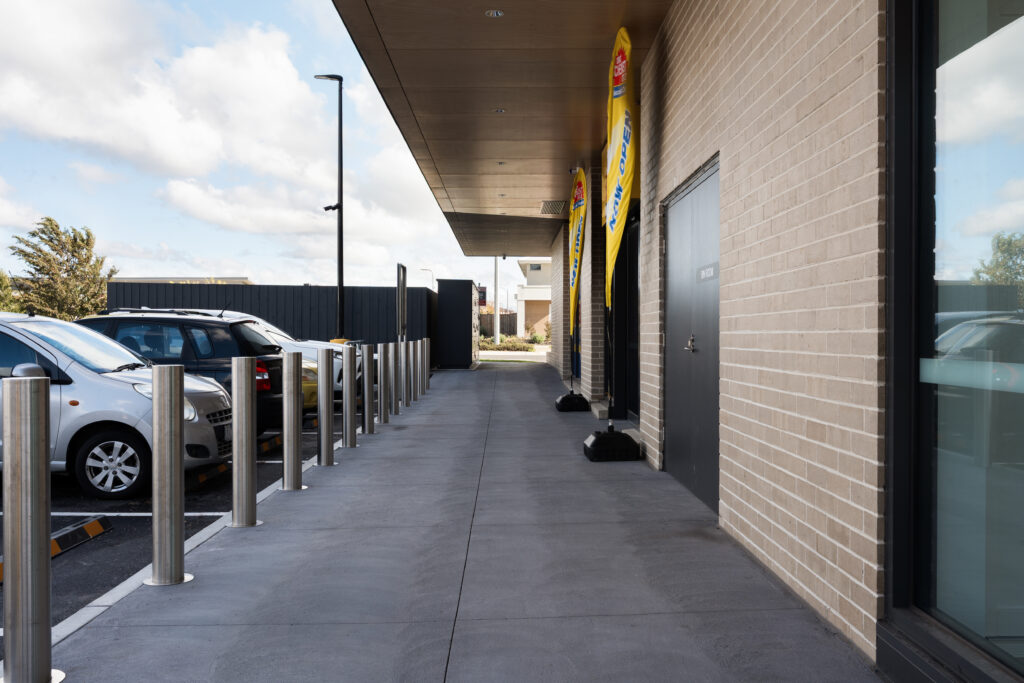
Bollards can help reduce the risk of vehicles entering areas where they could cause harm or damage. Depending on the location, this may include:
- Accidental collisions
- Deliberate ram raids
- Uncontrolled acceleration
- Reversing incidents
- Parking errors
- Mounting kerbs
Pedestrian Safety

In areas where people and vehicles share access, pedestrian safety bollards can help create clear boundaries and prevent vehicles from encroaching into pedestrian areas.
- Separating pedestrian and vehicle movements
- Protecting walkways, entrances, and outdoor dining areas
Building and Amenity Protection
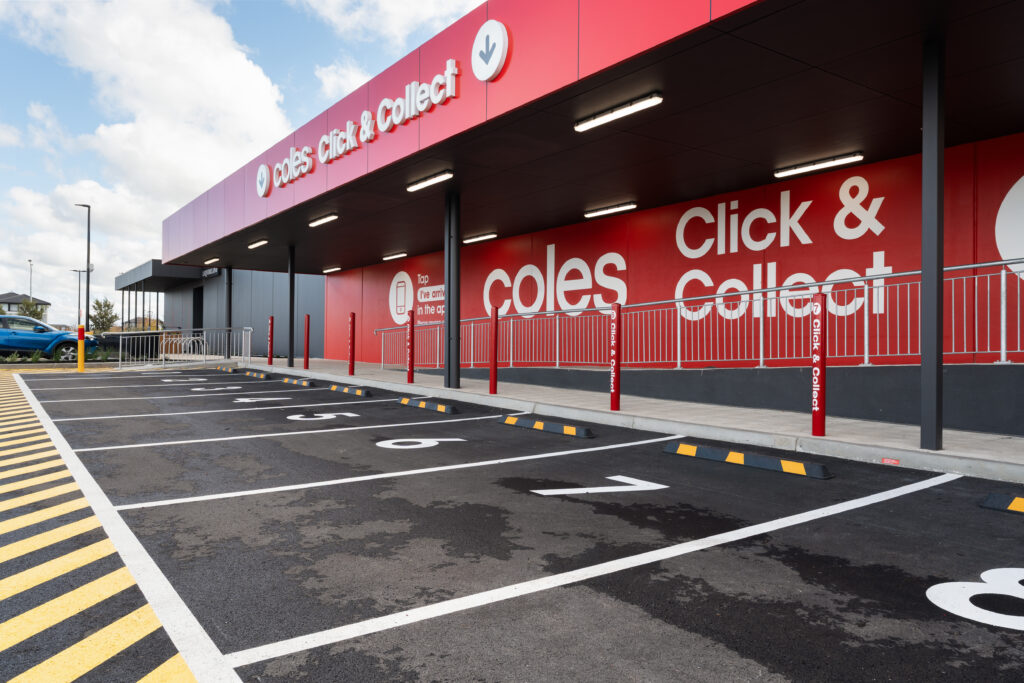
Protective bollards can provide a physical barrier between vehicles and vulnerable building infrastructure and amenities, helping reduce the risk of safety hazards and costly damage.
- Shopfronts and glazing
- Structural columns
- Building entrances and outdoor dining areas
- External services and utility infrastructure
- EV charging stations
- Parking pay stations
- Bicycle parking
- Trolley bays
- Landscaping and street furniture
- Signage and other exposed fixtures
Traffic management
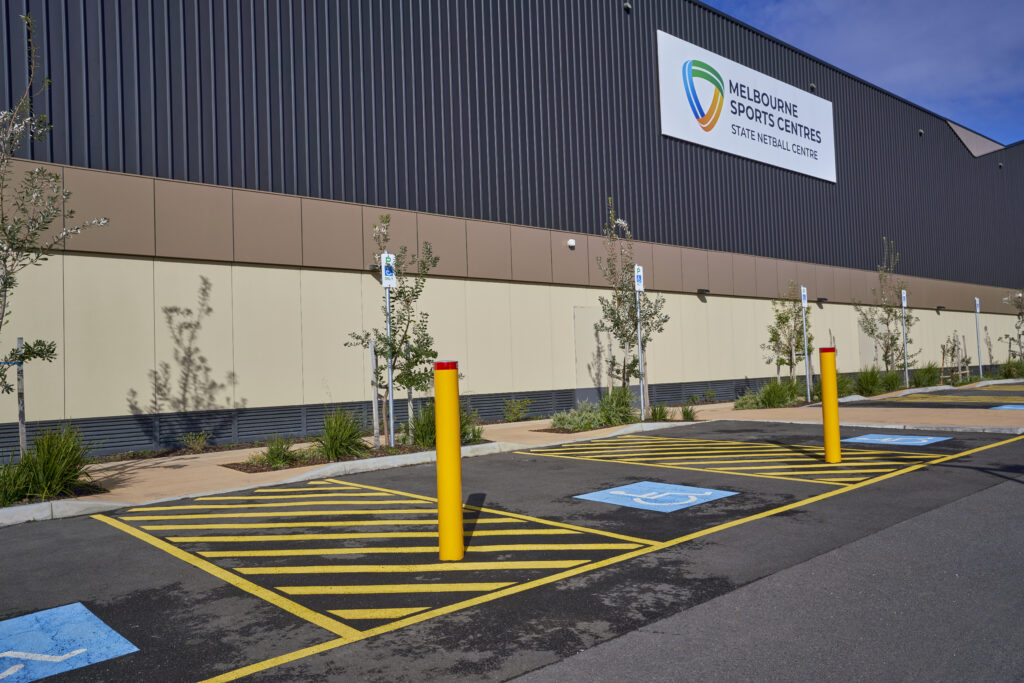
Strategically positioned commercial bollards can help guide pedestrian and vehicle movements to reduce encroachment and conflicts in busy zones. This is particularly important in areas where pedestrians, deliveries, customer vehicles, and service vehicles share the same space.
- Defining pedestrian and vehicle zones
- Preventing vehicle intrusions and shortcuts
- Guiding traffic through designated routes
- Separating bus stops and taxi zones
- Improving movement through busy pick-up and drop-off areas
Controlled access
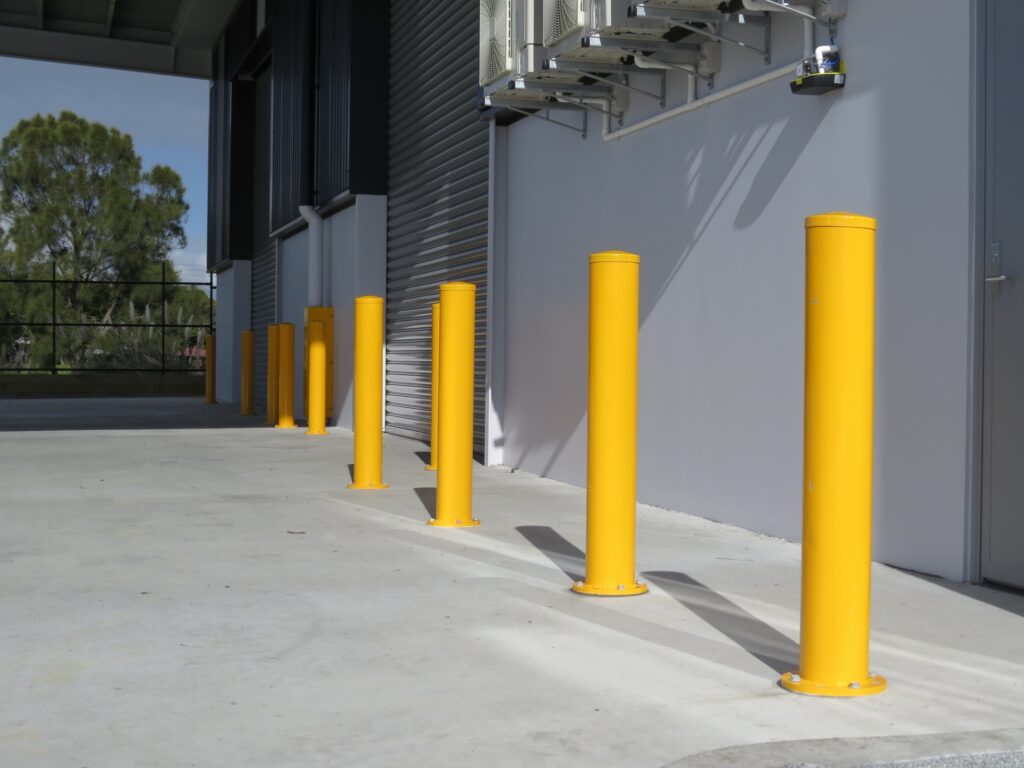
In service areas and restricted zones, bollards can help control where vehicles can enter without permanently blocking essential access routes.
- Loading docks and service areas
- Emergency access routes
- Employee-only areas
- Restricted areas requiring temporary or removable access control
Matching Bollard Types to Different Zones of a Shopping Centre
| Shopping Centre Area | Best Bollard Type | Reason |
| Main entrances | Breakaway bollards or heavy-duty cast-in bollards | Provides maximum protection against vehicular ram raids while maintaining clear pedestrian access. |
| Shopfronts | Architectural or stainless steel bollards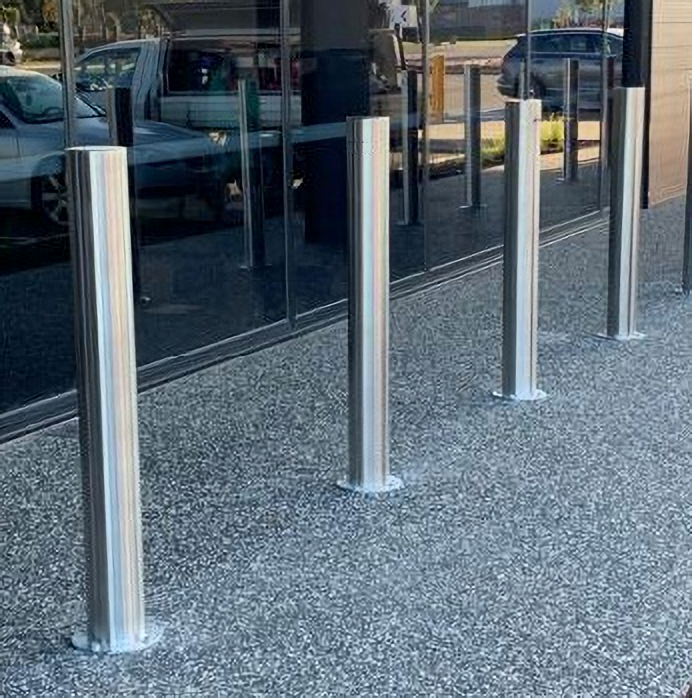 | Offers vehicle impact protection while complementing the retail environment. |
| Outdoor dining | Stainless steel fixed bollards | Helps define outdoor dining areas, providing separation from vehicle movements. |
| Car parks | Powder-coated cast-in bollards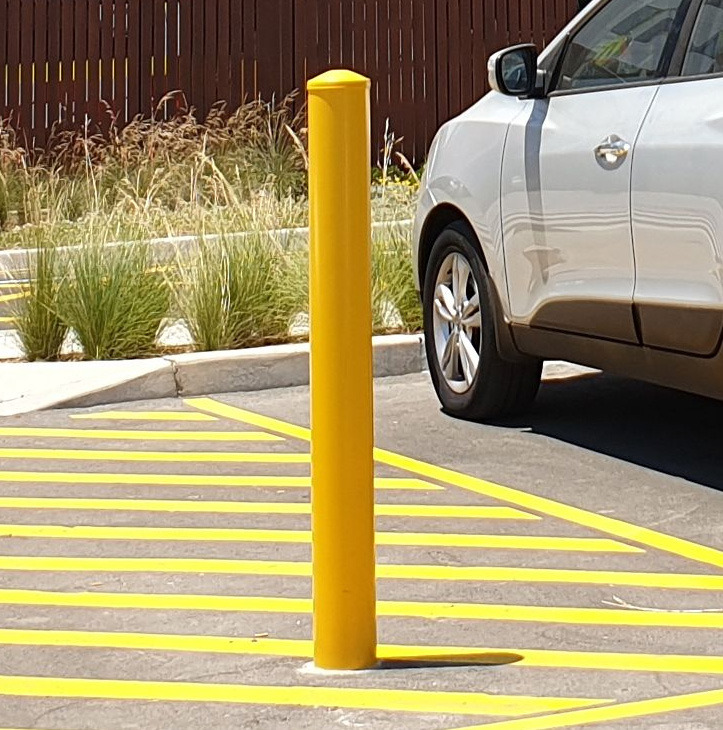 | Extremely durable and robust while ensuring high visibility at all times. |
| Accessible parking | Disabled bollards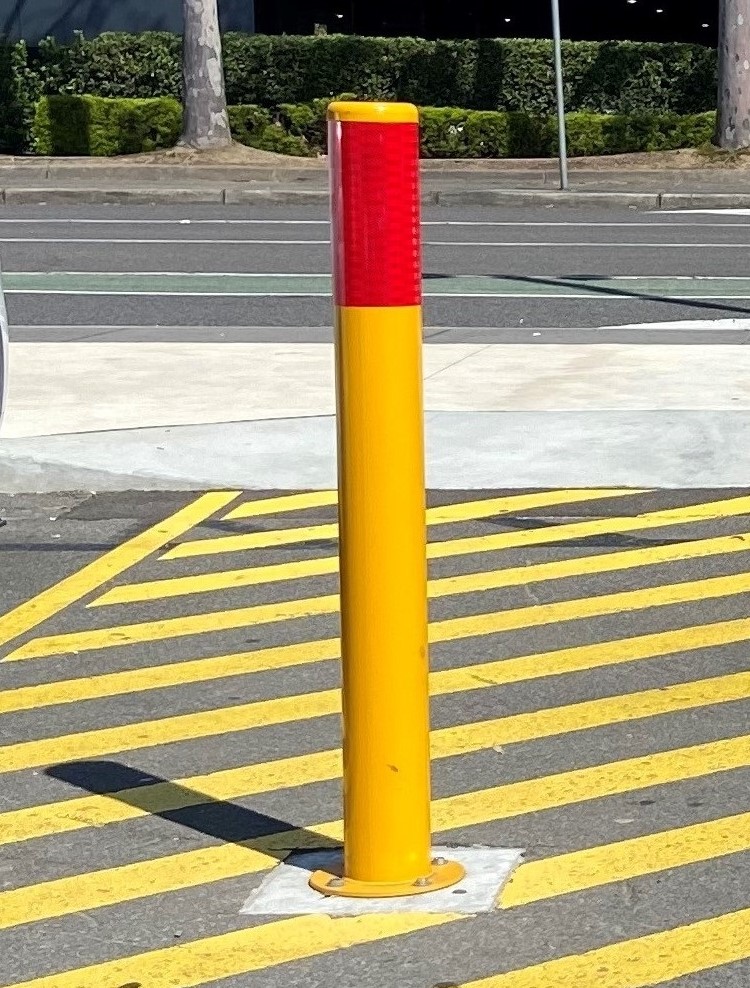 | Helps prevent vehicles from obstructing access aisles and designated pedestrian routes. |
| Loading docks | Breakaway bollards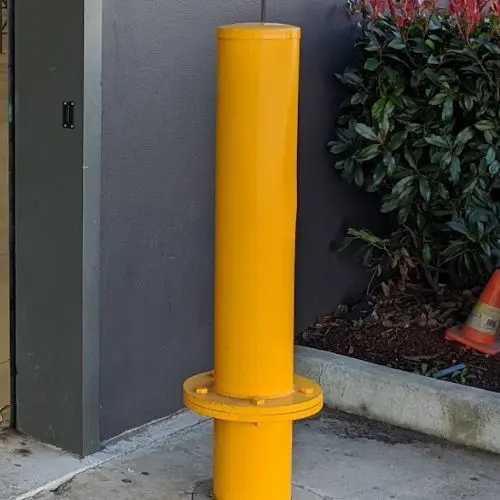 | Can help minimise damage to the substrate where frequent vehicle impacts are likely. |
| Service roads for emergency access | Removable bollards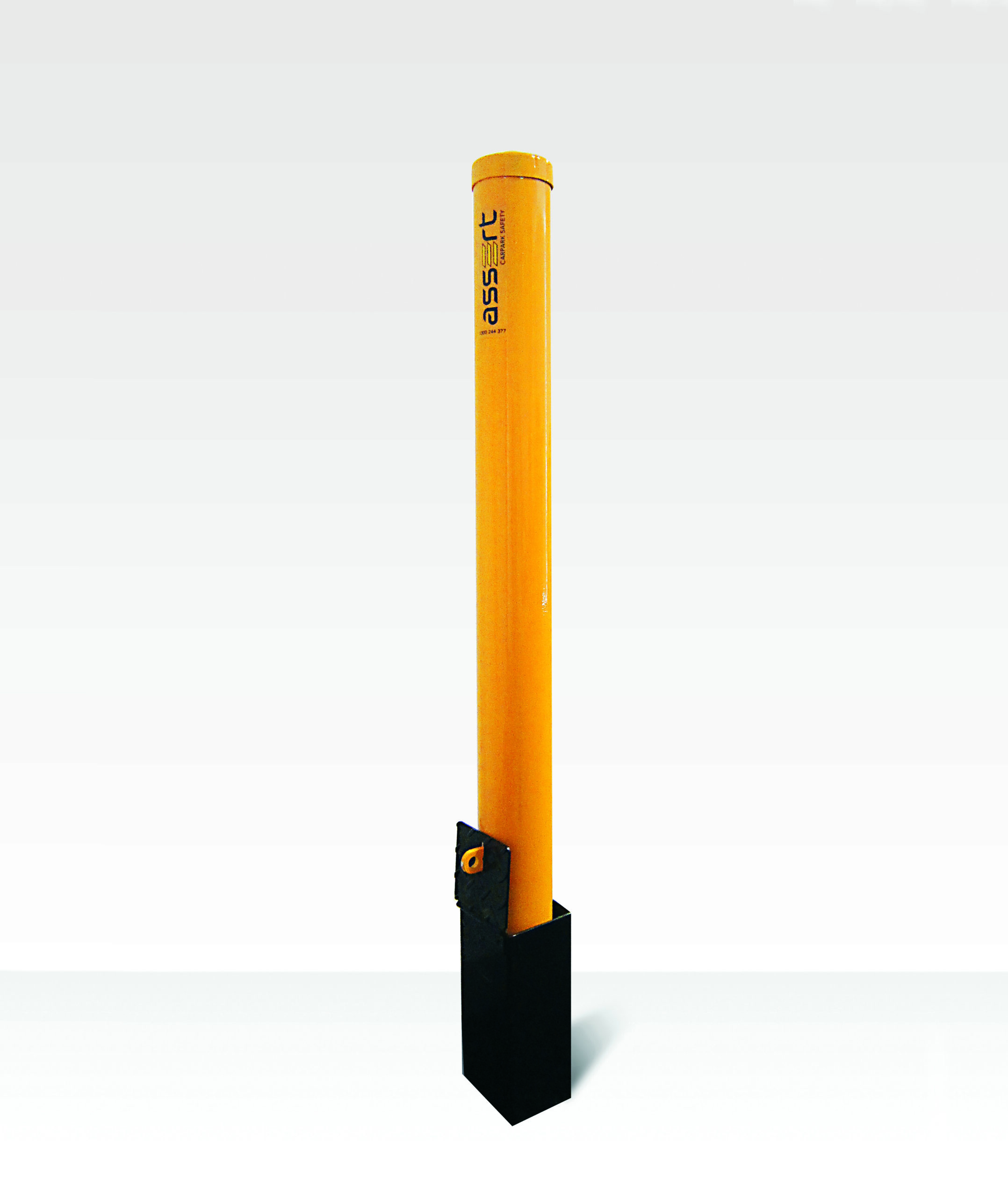 | Allows controlled vehicle access while keeping the route clear when not required. |
| Walkways | Stainless steel bollards | Helps guide pedestrian movement without creating a visually restrictive environment. |
| Pick-up/drop-off and rideshare zones | Surface-mounted bollards | Guides traffic flow to minimise congestion while protecting pedestrian areas. |
What to Consider Before Choosing a Bollard for Different Shopping Centre Zones
Material Choice
Beyond compliance, the material and finish of a bollard can affect its durability, maintenance needs, and how well it integrates with the surrounding design.
- Galvanised steel bollards: A highly durable option for outdoor applications such as car parks, loading docks, warehouses, industrial sites, and coastal areas. The galvanised coating provides strong protection against corrosion and exposure to the elements, withstanding demanding environments.
- Stainless steel bollards: Suitable for indoor and outdoor applications, stainless steel offers strong corrosion and weather resistance with a polished, premium appearance. Occasional cleaning can help maintain its high-shine finish.
- Powder-coated bollards: Available in a wide range of colours to maximise visibility and complement architectural designs. Compared to standard painted bollards, the durable powder coating also helps protect the high-grade steel beneath from corrosion, UV exposure, and everyday wear.
From exposed outdoor areas to sheltered indoor spaces, the right bollard material should withstand the conditions it will face while complementing the requirements of each shopping centre zone.
Compliance and Safety Standards to Keep in Mind
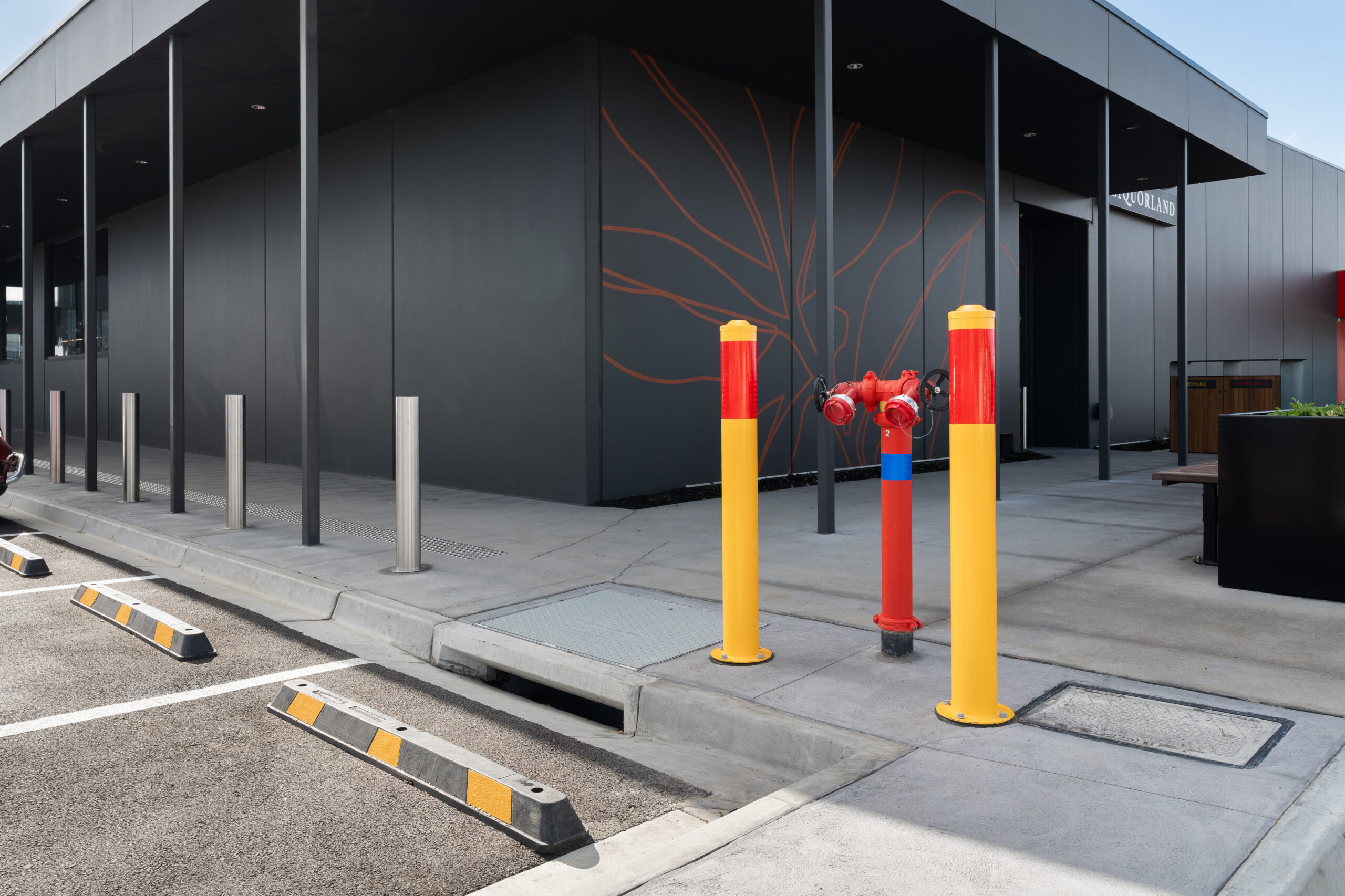
Providing guidelines for the design and installation of bollards, compliance with the Australian Standards helps facilitate public safety while protecting property owners from liability. A failure to comply can result in costly rework and legal ramifications down the track.
Several Australian Standards apply to bollards, including:
- AS 3845.2:2017: Road safety barrier systems and devices, Part 2: Road safety devices – Covers bollards used as temporary or permanent road safety devices to protect people and property from vehicular impact, including requirements for their testing and performance.
- AS 2890.1:2004: Parking facilities, Part 1: Off-street car parking – Guides the design, layout, and operation of off-street car parks, including considerations for the placement and use of bollards.
- AS 1742.3-2009: Manual of uniform traffic control devices, Part 3: Traffic control for works on roads – Provides guidance for traffic control at roadworks, including the use and placement of traffic control devices such as bollards to help manage vehicle and pedestrian movements safely.
For more information, please read our guide on Australian Standards for Car Park Bollards.
Durability, Maintenance, and Long-Term Value
Whether installed at shopping mall entrances or car park access points, bollards need to be selected based on their durability and maintenance requirements to maximise long-term value.
When selecting shopping centre bollards, take into account their expected durability and maintenance needs:
- Galvanised steel: Minimal upkeep is generally required, although damaged areas should be routinely inspected and repaired for optimal long-term performance.
- Stainless steel: Designed to maintain their shine and structural integrity over time, with occasional cleaning only required if deemed necessary.
- Powder-coated steel: Resistant to cracking, fading, peeling, and scratches, powder coating is a low-maintenance option compared to painted bollards.
For example, galvanised bollards are well suited to busy car parks and controlled access areas where durability and high impact resistance are key priorities. On the other hand, stainless steel bollards and powder-coated bollards are suitable for pedestrian zones, where low maintenance and visual integration with the surrounding area are more important.
Design and Branding Considerations
While bollards are primarily specified to improve pedestrian safety and asset protection, they can also be used to enhance the overall exterior appeal of a shopping centre. When integrated into the overall architectural design, retail bollards can complement the centre’s branding and surrounding streetscape.
When specifying bollards, consider the following design factors:
- Colour: Select colours that complement the building facade, surrounding landscape, or brand identity while maintaining high visibility.
- Materials: Choose from stainless steel, galvanised, or powder-coated options to match both aesthetic and durability goals.
- Finish: From polished to powder-coated finishes, consider how various finishes can be used to create a different visual effect.
- Shape: Different bollard shapes can help match the style of the development, from new, modern retail precincts to heritage buildings.
Available in a wide range of styles and finishes, decorative bollards can integrate seamlessly into the surrounding architecture, providing robust protection while contributing to a more considered, comfortable atmosphere. This helps high-traffic public spaces feel inviting without compromising safety or security.
Common Mistakes When Choosing Bollards for Shopping Centres
Whether positioned around a main entrance or within a car park, different areas of a shopping centre face different risks. Bollards should therefore be selected according to the intended purpose and expected conditions of each location.
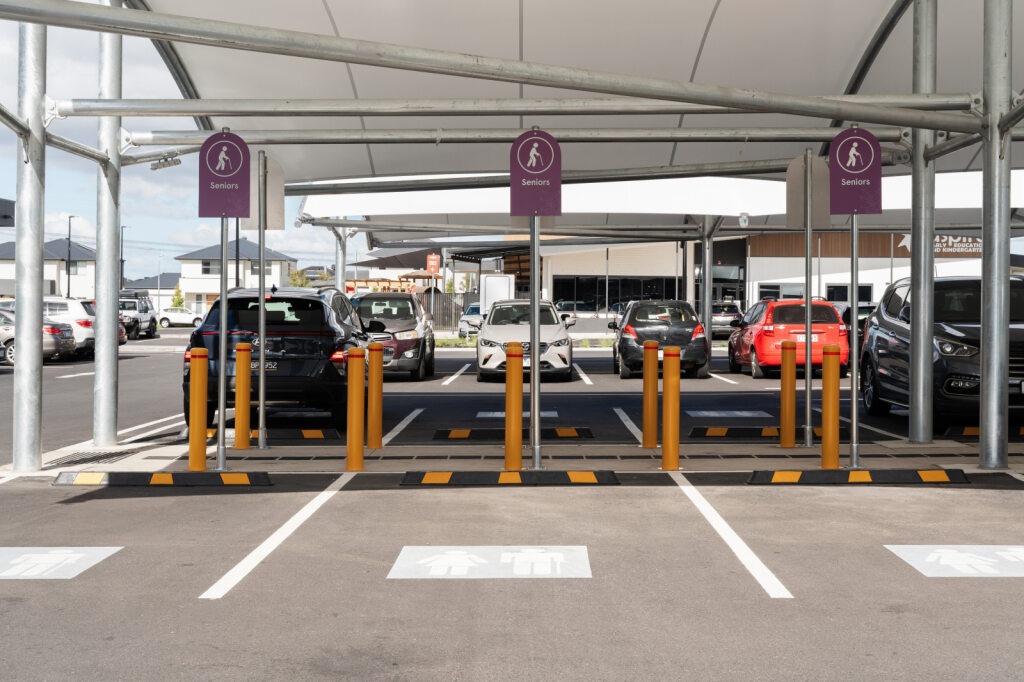
Some of the most common bollard specification and installation mistakes include:
- Prioritising aesthetics over protection
- Choosing the wrong fixing method, such as surface-mounted vs. cast-in options
- Overlooking the difference between permanent and removable bollards
- Disregarding environmental conditions and level of exposure to various elements
- Not assessing the likely severity of an impact
- Ignoring delivery, service, and emergency vehicle access requirements
- Incorrect spacing, whether too close or too far apart
- Neglecting accessible routes
- Failing to protect vulnerable assets
- Selecting the cheapest option rather than considering long-term value
- Not considering future redevelopment
By prioritising risk mitigation, access requirements, site conditions, and the future needs of each zone collectively during the specification stage, architects and property developers can avoid costly changes and achieve a more effective long-term outcome.
The Benefit of Working with a Specialist Bollard Supplier
Whether specifying bollards for a new development or replacing existing installations, choosing the appropriate commercial bollard for a shopping centre involves more than selecting a product from a catalogue. The design and installation need to be considered in relation to the specific location, expected traffic and pedestrian movements, level of protection needed, environmental conditions, and relevant compliance requirements.
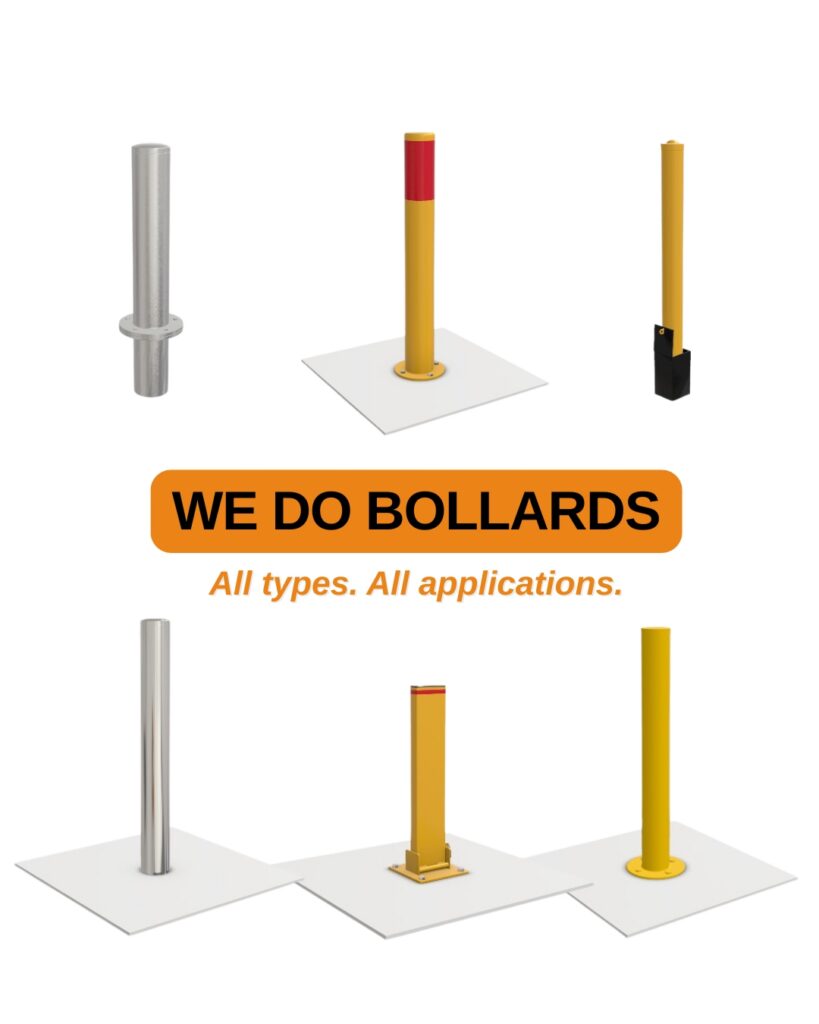
From consultation and design through to supply and installation, Classic Architectural Group provides end-to-end support to help simplify the specification and delivery process. Backed by over 45 years of industry experience and nationwide capability, we bring trusted expertise, responsive support, and integrated solutions to every project. This helps simplify compliance, reduce project risk, and give our customers confidence at every step.
Let us help you identify the best approach for your project. Contact us for tailored advice or request a quote today.